Jul19
Concert
This Week
Cole Swindell
Buy ticketsAffiliate — we may earn a commission at no extra cost
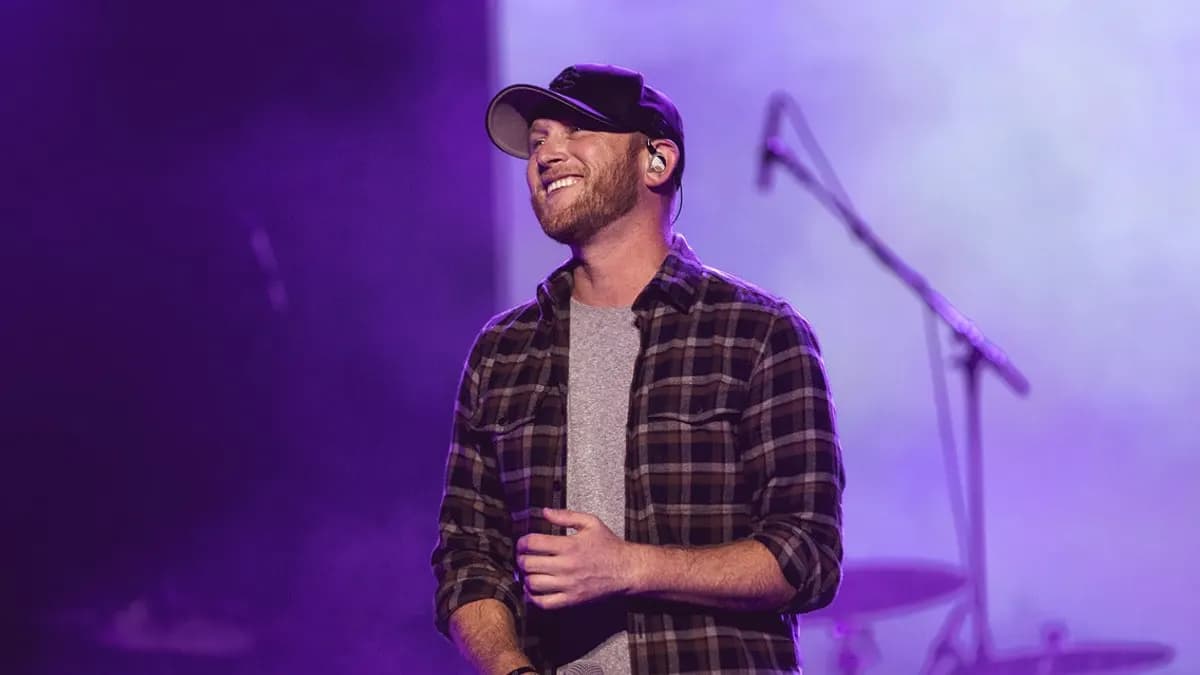
Cole Swindell is confirmed to perform in Las Vegas on Sun, July 19, 2026 at The Sandbar at Red Rocks Casino. This is Cole Swindell's only currently scheduled Las Vegas date on the 2026 tour, so seats tend to move quickly — especially floor and lower-bowl sections. Live Ticketmaster availability is shown below and refreshes daily.
Live Ticketmaster availability — tap a card to checkout.
Live pricing from Ticketmaster for the Cole Swindell Las Vegas show. Resale prices on secondary markets may be higher.
The Cole Swindell Las Vegas show takes place at The Sandbar at Red Rocks Casino (11011 West Charleston Boulevard). Plan to arrive 45 to 60 minutes before doors — lines and bag checks can stretch for big tour stops like this. Rideshare is typically the easiest way to arrive and leave on a show night. For paid parking, venue lots and nearby garages tend to fill 60 to 90 minutes before showtime.
Colden Rainey Swindell was born June 30, 1983 in Glennville, Georgia and raised in Bronwood, a farming pocket of Terrell County in the southwest corner of the state. He played football and baseball through high school, picked up the guitar at fifteen, and enrolled at Georgia Southern University in Statesboro on a partial scholarship, where he joined the Sigma Chi fraternity and ran into a fellow brother named Luke Bryan who was then a year-round bandleader playing nightclubs around the South. The connection turned into a job after graduation: Swindell signed on as Bryan's merchandise manager and rode the bus through the back end of the 2000s and the early 2010s, selling T-shirts at the merch table, opening unannounced acoustic sets when Bryan let him, and writing songs in hotel rooms between markets. The first major-label cut came in 2011 — Craig Campbell's "Outta My Head" — followed quickly by Thomas Rhett's "Get Me Some of That", Florida Georgia Line's "This Is How We Roll" co-write, Scotty McCreery's "Water Tower Town" and a full songwriter publishing deal at Sony/ATV Nashville.
The pivot from songwriter to artist came at the end of 2013. Swindell self-released "Chillin' It" as an independent single while still under publishing contract, the track caught on at country radio without label muscle behind it, and Warner Music Nashville signed him to a recording deal once "Chillin' It" was already a top-five hit. The self-titled debut album dropped in February 2014, went platinum inside a year, and produced three No. 1 Country Airplay singles back-to-back-to-back — "Chillin' It", "Hope You Get Lonely Tonight" and "Ain't Worth the Whiskey" — making Swindell the first solo artist in Country Airplay history to score three No. 1s from a debut album. You Should Be Here arrived in May 2016, anchored by the title track he wrote about his father Keith Swindell who had died unexpectedly in 2013; the single spent four weeks at No. 1 and won Single of the Year and Song of the Year nods across the CMA and ACM circuits. All of It followed in 2018 with "Break Up in the End" (a No. 1, ACM Song of the Year), "Love You Too Late" and "Single Saturday Night". Stereotype came in April 2022 and produced "Never Say Never" with Lainey Wilson and "She Had Me at Heads Carolina" — the latter a six-week No. 1 built on a Jo Dee Messina interpolation that turned into the most-streamed country song of the year for Swindell. Stereotype Broken, a 2023 deluxe expansion, added "Drinkaby" and kept the touring catalogue current. Across the run he's scored eleven No. 1s on Country Airplay, won the ACM New Artist of the Year, picked up CMT and Billboard awards, and built a touring operation that scales from honky-tonk to amphitheater to arena without losing the bar-band core of the show.