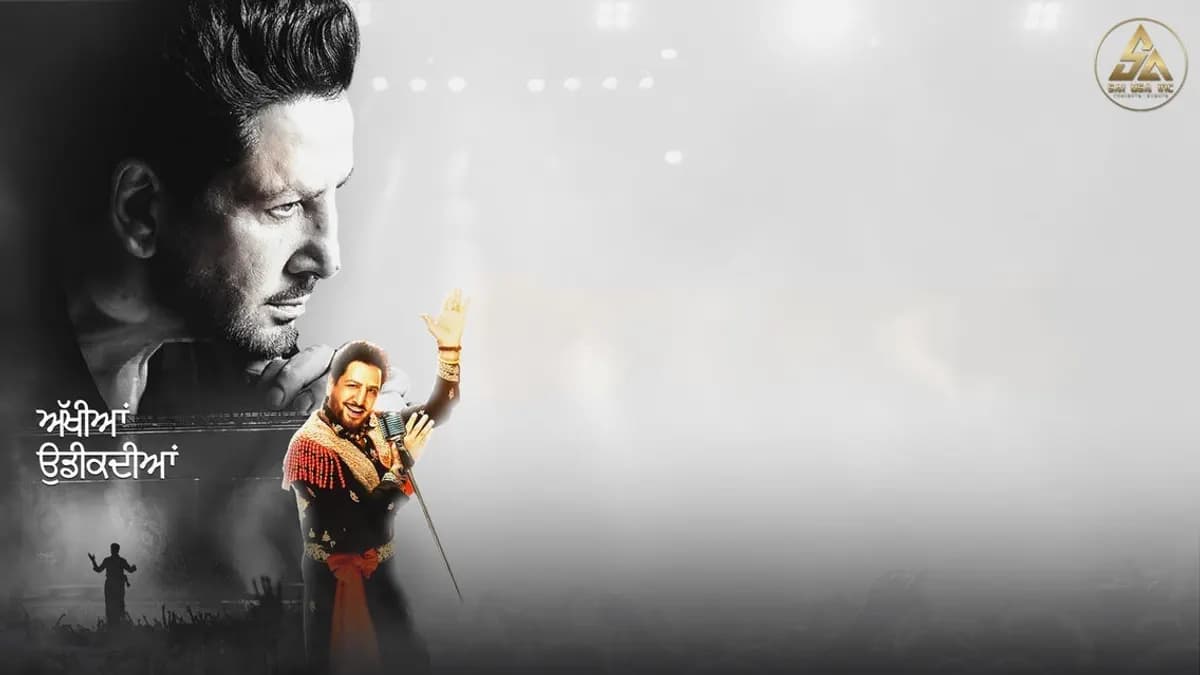
Gurdas Maan Germany Tour 2026 — German Dates, Cities & Tickets
Gurdas Maan Germany Tour 2026 — All Dates
Gurdas Maan Germany Tour — FAQ
How much are Gurdas Maan tickets in 2026?▼
When is Gurdas Maan's next concert?▼
Where is Gurdas Maan touring in 2026?▼
How do I get Gurdas Maan presale tickets?▼
Does Gurdas Maan do meet and greets or VIP packages?▼
How long is a Gurdas Maan concert?▼
Can I buy Gurdas Maan tickets on the day of the show?▼
Is Gurdas Maan coming to Canada in 2026?▼
Is Gurdas Maan performing near me?▼
What time does a Gurdas Maan concert start?▼
How do I buy Gurdas Maan tickets?▼
Where is the cheapest place to buy Gurdas Maan tickets?▼
Are Gurdas Maan tickets sold out?▼
Who is opening for Gurdas Maan on the 2026 tour?▼
What should I wear to a Gurdas Maan concert?▼
Can I get a refund on Gurdas Maan tickets?▼
About Gurdas Maan
Gurdas Singh Maan was born on January 4, 1957 in Giddarbaha, a small town in the Sri Muktsar Sahib district of Punjab — a region whose Malwa-belt folk-music traditions and Sufi-poetry circuits have anchored Punjabi cultural life for generations. He grew up in a Jat Sikh family rooted in the agricultural economy of the Malwa region, attended Government Brijindra College in Faridkot for his early education, and trained as a competitive athlete in track-and-field and judo before turning to music — a biographical detail that explains the physical stamina and stage choreography that still characterise his two-and-a-half-hour live shows in his late sixties. He completed an MPE (Master of Physical Education) from the Punjabi University at Patiala and briefly taught physical education at the Malout school district before stepping fully into a performing career. His Doordarshan debut on the New Year's Eve 1980 broadcast — performing Dil Da Mamla Hai live to a national Indian television audience that had no prior exposure to his name — turned the song into an immediate Punjabi-folk classic and launched his recording career. The follow-up albums through the early-to-mid 1980s — including Mamla Gadbad Hai, the album that consolidated his commercial and critical breakthrough — established the template that has anchored the catalogue ever since: traditional Punjabi folk instrumentation (dhol, tumbi, algoza, harmonium) layered with contemporary studio production, lyrical content rooted in Sufi spirituality, Punjabi peasant identity, romantic longing, and political and social commentary. Through the late 1980s and 1990s he released a sustained line of albums on Saregama, HMV, T-Series, and his own imprints — landmark records including Apna Punjab Hove (1989, the song that became the global Punjabi-diaspora anthem and remains his most universally recognised composition), Kachehri, Tu Patang Main Dor, Yaar Mera Pyar, Saaqi Mainu Jaam, Boli, Punjabi Awaz, Heer, and the long-running Challa Sufi-folk meditation reimagined across multiple cycles. He moved fluidly between commercial Punjabi-pop releases, devotional Sikh and Sufi material (Sai Baba and the Sufi-saint tradition figure prominently), and Punjabi-political and Punjab-state reflection (the Ki Banu Duniya Da catalogue is his most explicit and most enduring political-cultural statement). On the film side he has written, sung for, and starred in over twenty Punjabi-language films across a career stretching from the 1980 Mamla Gadbad Hai film (his acting debut) through Long Da Lishkara (1986), Shaheed-e-Mohabbat Boota Singh (1999, the historical drama for which he wrote and performed the soundtrack and earned the Filmfare Special Award), Des Hoyaa Pardes (2004), Waris Shah: Ishq Daa Waaris (2006, the qissa-poet biopic for which he played the title role), and a sustained line of supporting and lead roles through the contemporary Pollywood era. He was named Padma Shri by the Government of India in 2024 — formally recognised in the 2024 Republic Day honours list for his contributions to Indian arts — after an earlier Sangeet Natak Akademi Award and decades of regional, national, and international recognition. He has performed at the Royal Albert Hall in London, at Madison Square Garden's adjacent theatre in New York, at Massey Hall in Toronto, at Sydney Opera House, and at every major Punjabi-diaspora festival across Canada, the United Kingdom, the United States, and Australia. He continues to record, tour, and perform from his base in Punjab, and through every commercial and aesthetic shift in Punjabi music — the bhangra-pop boom of the 1990s, the Bollywood crossover era of the 2000s, the streaming and Punjabi-rap revolution of the 2010s and 2020s — has remained the singular cultural reference point that every contemporary Punjabi artist measures themselves against.