Sep1
Concert
Katseye
Buy ticketsAffiliate — we may earn a commission at no extra cost
Official merch is sold inside the venue on show night. Tap a date for the verified ticket listing.
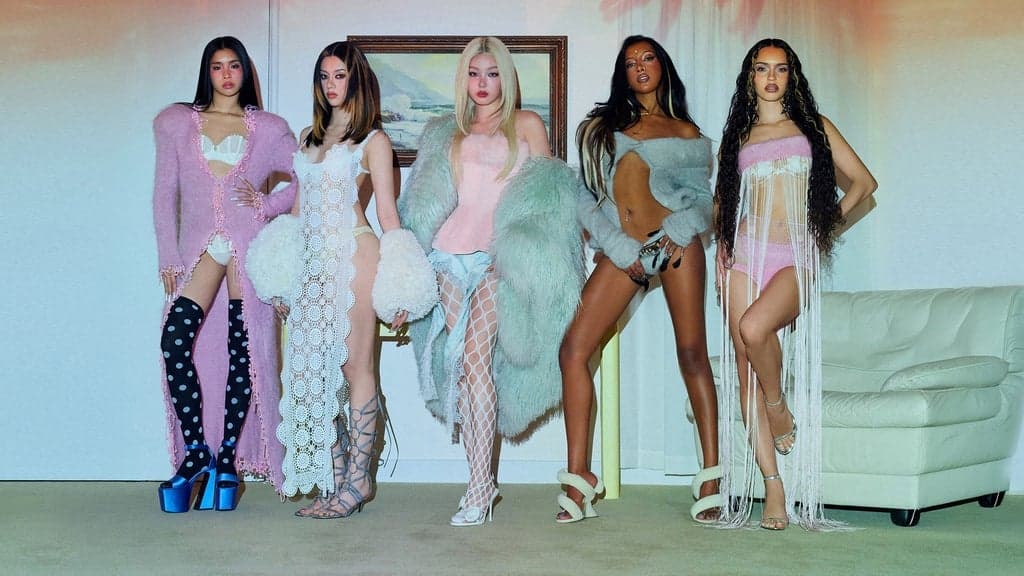
KATSEYE, the American k-pop act, currently has 30 confirmed live dates across 26 cities — the most recent routing points at 3Arena Dublin in Dublin, and merch tables, currency, and city-exclusive prints change from stop to stop on a k-pop tour of this scale.
Official KATSEYE merch prices vary by venue and currency, but most arena tours follow a familiar range: shirts around $40-$55 USD, hoodies around $80-$110, hats around $35-$50, posters around $25-$45, and limited city-specific items above that. If the next show is at 3Arena Dublin, expect card-only checkout at most stands and longer lines after the opener finishes.
Buy inside the venue or through KATSEYE's official store. Street vendors outside the arena often sell unlicensed shirts with low-quality prints, misspelled dates, or old tour art. Official merch usually has cleaner print registration, proper neck tags, and pricing posted on the booth signage.
KATSEYE were built deliberately, in public, over the course of the Dream Academy reality series that Hybe and Geffen ran across 2023 and 2024. The premise was simple and ambitious: take the rigorous Korean idol training system Hybe had honed with BTS, Tomorrow X Together, and LE SSERAFIM and apply it to a cast of trainees pulled from auditions held in Los Angeles, Seoul, Bangkok, Sydney, Mexico City, and online, with the explicit goal of debuting a group that didn't sit inside K-pop's national identity but could plug into any market. Twenty trainees were narrowed to six through a televised competition that judged vocals, choreography, on-camera presence, and the harder-to-name quality of pop-star magnetism. The final lineup paired Sophia, a Filipino-American singer who'd built a following on YouTube before auditioning, with Lara, of Indian and Swiss heritage; Manon, Swiss and a former dancer in the European competition circuit; Daniela, Venezuelan-American with a theatre background; Yoonchae, Korean and the youngest member of the group; and Megan, a US-born vocalist who came up through the LA musical-theatre and pop pipeline. Their sound sits inside the post-K-pop global pop lane — dance-pop production with bright top-lines and stacked harmonies, drawing on Y2K teen-pop, contemporary R&B, and the same Scandinavian songwriting bench that's powered the last decade of mainstream pop. The debut EP SIS (Soft Is Strong) shipped in 2024 with singles 'Debut' and 'Touch', and the group followed up with 'Tonight I Might' and a string of choreography-led short-form video moments that did the heavy lifting on TikTok and Instagram Reels. Live, they lean on six-part choreography, polished vocal arrangements, and the kind of in-ear-driven production that has become the global pop standard. The group's positioning matters as much as the songs: where K-pop's biggest girl groups have always carried the soft-power weight of Korea's entertainment industry on their backs, KATSEYE were engineered from the start to belong to no single market, and the fanbase that has cohered around them in the first two years of the project reads like a snapshot of how pop discovery actually works in the streaming era — multilingual, internet-native, choreography-fluent, and largely indifferent to the genre borders the industry still tries to police.