Kenny Chesney Ticket Prices 2027 — How Much Do Tickets Cost?
Kenny Chesney 2027 ticket prices explained: how much do tickets cost across GA, floor, VIP, and upper tier? The lowest advertised starting price is $109.00 USD. Prices come from the sellers that supply each date.
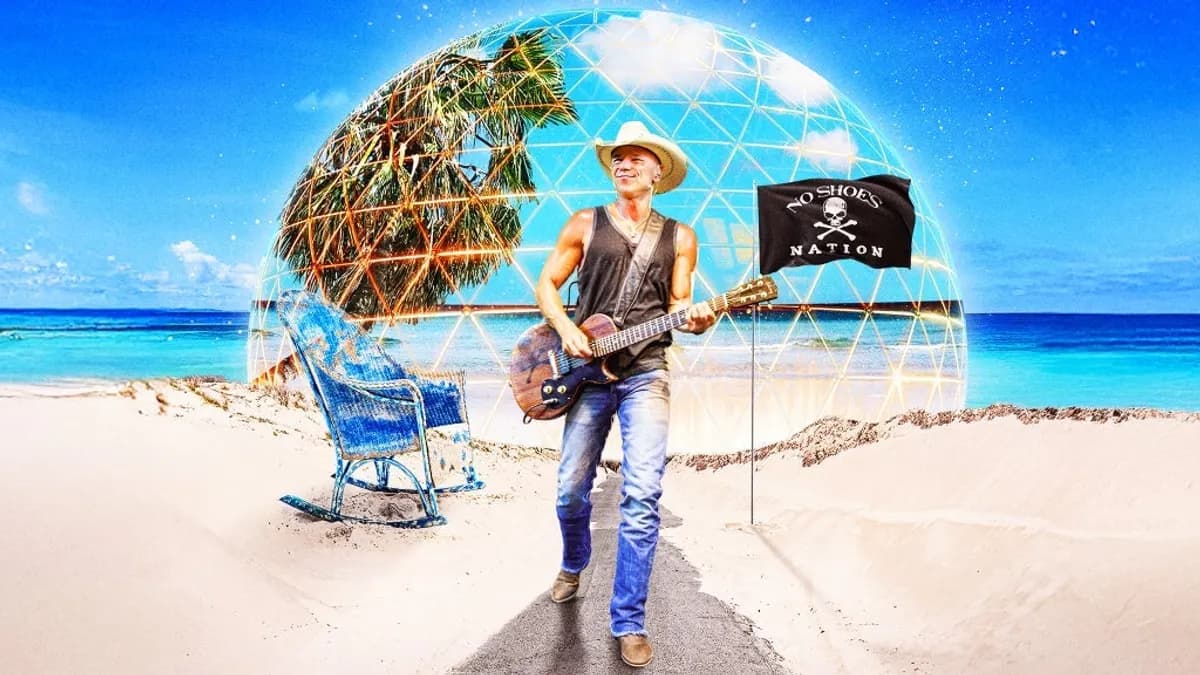
Kenny Chesney dates & tickets
Find a date, check available prices, and explore ticket options.
Kenny Chesney
Soldier Field Stadium · Chicago · US
16:30 local timeFrom$109.00 USD
Find tickets
Prices are per ticket when supplied by the provider. Availability and fees may change at checkout. Currency conversions marked ≈ are estimates.
What Do Kenny Chesney Tickets Cost Right Now?
The lowest advertised starting price supplied for Kenny Chesney is US$109, on the Chicago date. That figure is the cheapest supplied section for one ticket before fees; it is not an average, and it does not tell you what floor seats or VIP packages cost on that date. Open a date above to see the sections actually on sale.
Kenny Chesney Ticket Tiers Explained
- Upper bowl / 300-level: usually the cheapest seats. Best value for the experience.
- Lower bowl / 100-level: mid-range pricing with a closer view.
- Floor / GA pit: standing-room or reserved floor — premium price, premium proximity.
- VIP package: includes some combination of early entry, photo op, soundcheck access, merchandise, or meet-and-greet. Priced separately, often 3 to 6× the cheapest base seat.
- Box / suite: private seating, only at select arenas, listed only when made available.
Why Do Kenny Chesney Ticket Prices Change?
Ticketmaster uses dynamic pricing — list price adjusts in response to demand. Prices often peak in the first 24 to 48 hours after on-sale, then settle. Smaller markets and mid-week dates commonly list below weekend stops in major cities, though the gap varies by tour. Resale prices, when allowed, move more sharply as showtime approaches. Compare the dates above rather than assuming a fixed discount, and check the total including fees at checkout.
Kenny Chesney Ticket Prices — FAQ
Why did the Kenny Chesney ticket price change since yesterday?▼
What's the cheapest tier vs. premium tier for Kenny Chesney right now?▼
Are resale tickets cheaper than primary Ticketmaster?▼
How much are Kenny Chesney tickets in 2027?▼
When is Kenny Chesney's next concert?▼
Where is Kenny Chesney touring in 2027?▼
How do I get Kenny Chesney presale tickets?▼
Does Kenny Chesney do meet and greets or VIP packages?▼
How long is a Kenny Chesney concert?▼
Can I buy Kenny Chesney tickets on the day of the show?▼
Is Kenny Chesney coming to Canada in 2027?▼
Is Kenny Chesney performing near me?▼
About Kenny Chesney
Kenneth Arnold Chesney was born March 26, 1968 in Knoxville, Tennessee and raised in Luttrell, a town of fewer than a thousand people about thirty minutes north up Highway 33 toward the Cumberland Gap. The early biography reads like every East Tennessee country singer who ever made it out: a small-town high school, a guitar bought on a part-time job at the local drugstore, Sunday-morning gospel music at home and the East Tennessee bluegrass and old-country radio that filled in the rest of the week. He played football at Gibbs High School and then at East Tennessee State University in Johnson City, where he eventually graduated with a degree in advertising in 1990 — a detail that has held up well, given how comfortably he later moved between the songwriter, performer and brand-builder roles his career came to require. The Nashville move came right out of college: a relocation to Music Row, a publishing deal that mostly paid in demo-session sandwiches, gigs on the songwriter rounds at the Bluebird Cafe and Douglas Corner, and a self-released cassette EP that opened the door for a Capricorn Records solo deal in 1994.
His major-label debut, "In My Wildest Dreams", came out on Capricorn in April 1994 and the first single, "Whatever It Takes", peaked at No. 70 on the country airplay chart — respectable but unspectacular. Capricorn folded its Nashville division shortly after; Chesney moved to BNA Records, a sister imprint of RCA Nashville, in 1995 and re-cut several of the Capricorn songs for his BNA debut "All I Need to Know" later the same year. The first BNA single, "Fall in Love", was the first real chart move — a top-ten country single in 1995 — and the follow-up "All I Need to Know" cracked the top ten the same year. "Me and You" in 1996 produced his first No. 1 country single, the title track. The late-1990s catalogue — "I Will Stand" in 1997, "Everywhere We Go" in 1999, the Greatest Hits compilation in 2000 — moved him from promising new act to the front rank of mainstream country radio, with "She Thinks My Tractor's Sexy", "How Forever Feels" and "What I Need to Do" all topping the country airplay chart.
The transition from country-radio singer to stadium-tour brand happened gradually across the early 2000s. "No Shoes, No Shirt, No Problems" in 2002 — the album and the title single — codified the beach-country aesthetic that would define the rest of the decade. "When the Sun Goes Down" in 2004 sold past four million copies in the U.S. and produced four No. 1 country singles, including the Uncle Kracker duet that gave the album its name. "Be As You Are: Songs from an Old Blue Chair" in 2005 took a quieter, more reflective beach-album turn. "The Road and the Radio" in 2005 went five-times platinum. "Just Who I Am: Poets & Pirates" in 2007, "Lucky Old Sun" in 2008, and "Hemingway's Whiskey" in 2010 each debuted at No. 1 on the Billboard 200 — the all-genre album chart, not just the country chart — and the touring footprint grew in parallel. By the late 2000s Chesney was routinely playing NFL stadiums in major markets and selling them out; his Country Music Association Entertainer of the Year wins in 2004, 2005, 2006 and 2008 codified that stadium status at the trade-awards level.
The 2010s were a continuation of the stadium-tour template. "Welcome to the Fishbowl" in 2012, "Life on a Rock" in 2013, "The Big Revival" in 2014, "Cosmic Hallelujah" in 2016 and "Live in No Shoes Nation" in 2017 — a live double-album drawn from a decade of stadium recordings — kept the album release cycle aligned to the tour cycle. "Songs for the Saints" in 2018 was a benefit album for the U.S. Virgin Islands after Hurricane Irma, where Chesney has owned property for years. "Here and Now" in 2020 arrived just as the global tour business locked down for the pandemic; the tour pivoted to a 2022 reboot of the Here and Now stadium routing, then continued into the Sun Goes Down 20-year anniversary cycle and the rolling Born record cycle in subsequent years. The numbers across the run are large enough to make the case: more than thirty No. 1 country singles, certified album sales past thirty million in the U.S., a touring footprint that has filled stadiums across two decades, and a fan community that is the closest thing in country music to the Grateful Dead's road-following audience or Jimmy Buffett's Parrothead culture. Knoxville and Luttrell stayed in the story too — Chesney still references his East Tennessee upbringing in interviews and on stage, and the University of Tennessee's Neyland Stadium has been a recurring tour stop in his hometown market.