Pearl Jam Ticket Prices 2026 — How Much Do Tickets Cost?
Pearl Jam 2026 ticket prices by date and city, in each seller's own currency. Figures are the advertised price ranges from the sellers that list each date, before fees.
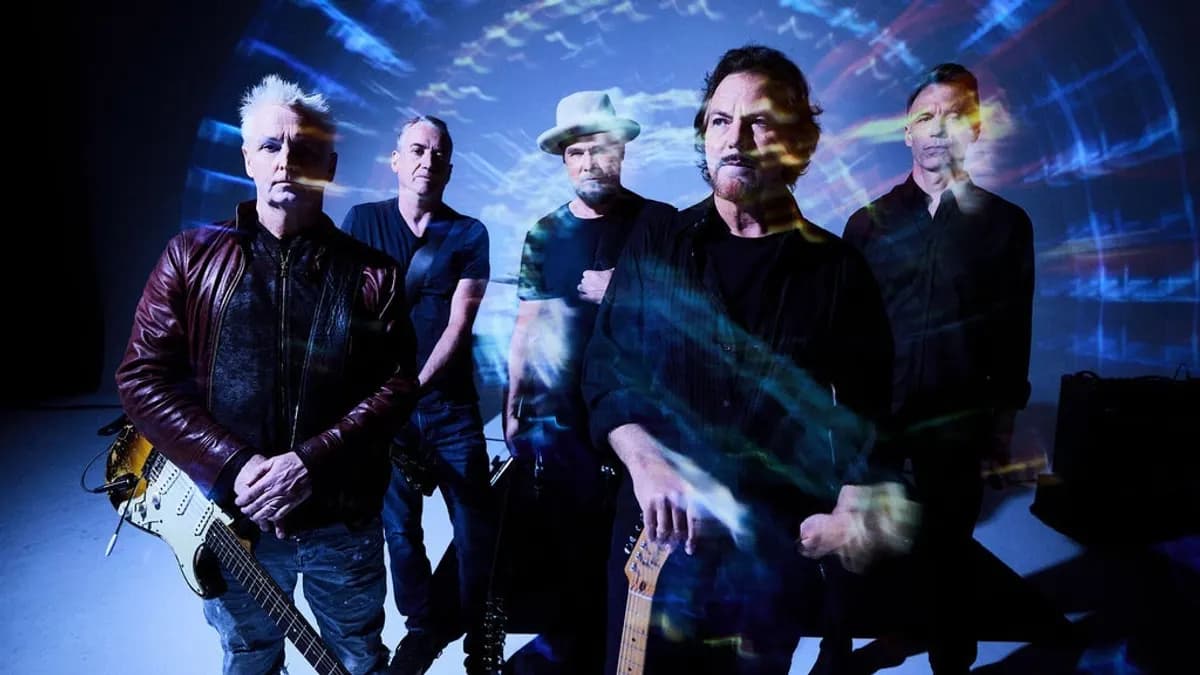
Pearl Jam dates & tickets
Find a date, check available prices, and explore ticket options.
No upcoming dates listed right now
No Pearl Jam dates are listed right now. The ticket prices guide below still applies to the next run.
Prices are per ticket when supplied by the provider. Availability and fees may change at checkout. Prices shown in your display currency are converted estimates.
What Do Pearl Jam Tickets Cost Right Now?
No advertised price has been published by our sellers for the listed Pearl Jam 2026 dates. Prices appear beside each date above as soon as a seller supplies them.
What these prices are
Each figure is the advertised range the seller published for that date — the cheapest and most expensive ticket on sale at the time of the daily refresh, not an average and not the final checkout total. Fees, the sections still available and resale prices are shown on the seller's own listing for the date you choose.
About Pearl Jam
Pearl Jam were born out of one of the most violent ruptures in modern rock history. In March 1990, Andrew Wood — frontman of Seattle band Mother Love Bone, signed to PolyGram and on the verge of a debut record release — died of a heroin overdose at age 24. His bandmates, guitarist Stone Gossard and bassist Jeff Ament, spent the rest of the year quietly auditioning singers and trying to figure out whether to continue. A demo tape labelled "Stone Gossard Demos '91" eventually found its way to a 26-year-old San Diego surfer and petrol-station attendant named Eddie Vedder, who wrote lyrics for three songs in a single afternoon while body-surfing — "Alive," "Once" and "Footsteps" — and mailed the tape back. Within weeks Vedder was in Seattle. Lead guitarist Mike McCready joined from the local Shadow scene. Drummer Dave Krusen rounded out the original five-piece. The band, initially called Mookie Blaylock after the New Jersey Nets point guard, recorded Ten at London Bridge Studio in Seattle across four weeks in March 1991. It was released in August 1991, one month before Nirvana's Nevermind, and changed everything.
Ten — propelled by "Alive," "Even Flow," "Jeremy" and "Black" — sold thirteen million copies in the US alone and made Pearl Jam, alongside Nirvana, Soundgarden and Alice in Chains, the four pillars of the Seattle grunge breakthrough. Vs. (1993) intentionally rejected the polish of Ten and sold a million copies in its first week. Vitalogy (1994) leaned further into experimentation, with the band actively trying to disrupt their own commercial trajectory. In 1994 Pearl Jam filed a now-legendary antitrust complaint with the US Department of Justice against Ticketmaster, alleging anti-competitive practices in concert promotion and refusing to use Ticketmaster for the band's own tour. The case was dropped in 1995 but reshaped the live music industry's awareness of monopolistic ticketing practices and made Pearl Jam the canonical example of artist-versus-corporation friction. They have famously never licensed a single song to a commercial advertisement, never appeared in a brand-sponsored campaign, and to this day operate the smallest official merch operation of any band their size.
No Code (1996), Yield (1998), Binaural (2000), Riot Act (2002), the self-titled "Avocado" record (2006), Backspacer (2009), Lightning Bolt (2013) and Gigaton (2020) refined the band's identity through what Vedder has called "thirty years of one extended argument about what a rock band is supposed to be." Matt Cameron joined permanently in 1998 from Soundgarden following Soundgarden's first dissolution, and is now Pearl Jam's longest-tenured drummer by a margin of nearly a decade. Then in April 2024 came Dark Matter — the band's twelfth studio album, produced by Andrew Watt in a fast and live-tracked three-week Los Angeles session that explicitly rejected the polished isolation of recent records. Singles "Dark Matter," "Running" and "Wreckage" became the band's first chart-topping rock-radio singles in over a decade; the album debuted at number one in the UK, Ireland, Australia, New Zealand and the Netherlands. The current five-piece — Vedder on vocals and rhythm guitar, Gossard on rhythm guitar, Ament on bass, McCready on lead guitar, Cameron on drums — augmented live by Boom Gaspar on keys since 2002, tour the world as the most disciplined and longest-running grunge band still operating in their original lineup. They do not phone it in, ever.