
Jul17
Concert
Soon
Breakaway Music Festival
Buy ticketsAffiliate — we may earn a commission at no extra cost
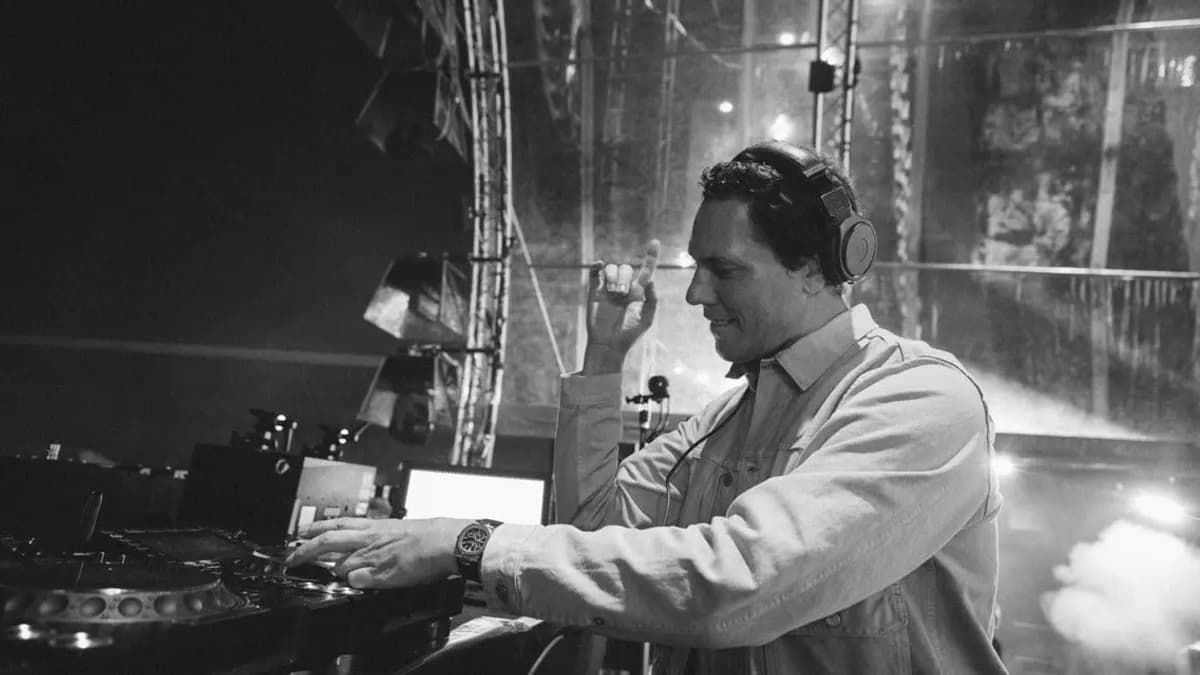
Tiësto is confirmed to perform in New York on Fri, July 17, 2026 at Under The K Bridge. This is Tiësto's only currently scheduled New York date on the 2026 tour, so seats tend to move quickly — especially floor and lower-bowl sections. Live Ticketmaster availability is shown below and refreshes daily.
Live Ticketmaster availability — tap a card to checkout.
Live pricing from Ticketmaster for the Tiësto New York show. Resale prices on secondary markets may be higher.
The Tiësto New York show takes place at Under The K Bridge (520 Stewart Ave). Plan to arrive 45 to 60 minutes before doors — lines and bag checks can stretch for big tour stops like this. Rideshare is typically the easiest way to arrive and leave on a show night. For paid parking, venue lots and nearby garages tend to fill 60 to 90 minutes before showtime.
Tijs Verwest was born in Breda, in the southern Netherlands, in January 1969 and started DJing in local clubs as a teenager in the late 1980s. The Tiësto name — adapted from a childhood nickname — first appeared on club flyers in the mid-1990s, and by the end of that decade he had become one of the central figures in the Dutch trance scene that also produced Armin van Buuren, Ferry Corsten and Paul van Dyk. The In Search of Sunrise compilation series, which Tiësto launched in 1999 and continued under his curation for several volumes, is widely credited with codifying the progressive-trance sound of that era for an international audience. The first full-length artist album under the Tiësto name, In My Memory, arrived in 2001 and produced the singles Lethal Industry, Suburban Train and Flight 643, which became staples of the trance-era festival circuit. Just Be followed in 2004 and contained Adagio for Strings — his reworking of Samuel Barber's classical composition — which became one of the defining peak-time records of the decade and remains one of the songs most associated with him by older fans. The booking that pushed him from scene-famous to globally famous was the 2004 Athens Summer Olympics opening ceremony, where Tiësto performed during the parade of nations and became the first DJ to play a Games opening at that scale. Elements of Life, released in 2007, doubled down on the cinematic trance template and won a Grammy nomination. Kaleidoscope, released in 2009, marked the public pivot away from straight trance toward a wider electronic-pop palette, with vocal collaborations including Tegan and Sara, Nelly Furtado and Sigur Rós's Jónsi sitting alongside the more familiar instrumental material. The pivot was deliberate and was framed in interviews at the time as a refusal to be permanently boxed inside one BPM range and one sub-genre. The Club Life mix-show franchise — running as a syndicated radio show, a podcast and a series of mix compilations — launched in 2007 and is still active, with hundreds of weekly episodes archived. By the early 2010s, with progressive house and big-room EDM ascendant globally, Tiësto's sound had shifted again into the festival-friendly main-stage template that defined the era. A Town Called Paradise, released in 2014, produced Red Lights and Wasted, while his 2014 remix of John Legend's All of Me won the 2015 Grammy for Best Remixed Recording (Non-Classical). The most recent phase has been the future-house and radio-pop chapter that produced Jackie Chan (with Dzeko, Preme and Post Malone) in 2018, The Business in 2020 — which became one of the genuine TikTok-era electronic hits and re-introduced him to a younger audience — and the Drive album, released in 2023, which gathered the singles and a stack of newer collaborations into the first proper Tiësto artist LP in years. Around the records, the touring career has been continuous. Tiësto has headlined Tomorrowland, Ultra Music Festival, EDC Las Vegas, Coachella and Lollapalooza repeatedly across multiple decades, and his Las Vegas residency — which began at the Hakkasan Group's venues during the mid-2010s Strip-EDM boom and shifted later to Zouk Nightclub at Resorts World after the Hakkasan footprint changed hands — is one of the few electronic residencies that has persisted across the full cycle of Vegas dance music. Forbes named him the highest-paid DJ in the world for several years during the early 2010s, and while the magazine has since retired that specific ranking, the broader point — that Tiësto's touring economics sit at the very top of the electronic-music business — remains accurate. He runs the Musical Freedom record label, which he founded in 2009 and which has released material from Hardwell, KSHMR, MOTi and a long roster of producers in the big-room and future-house lanes. Off the road, he is based largely between the Netherlands and the United States and has been a vocal supporter of dance-music infrastructure in the Netherlands, including the Amsterdam Dance Event conference held in Amsterdam each October. The persona on stage is restrained by EDM standards — Tiësto does not throw cakes, does not run pyrotechnics on top of pyrotechnics, and has historically let the music and the visual programming do the work rather than the showmanship of the headliner himself — and that restraint, combined with the willingness to keep updating the sound, is the most plausible single explanation for how a Dutch DJ who started in 1990s trance is still headlining mainstream festivals in his late fifties.