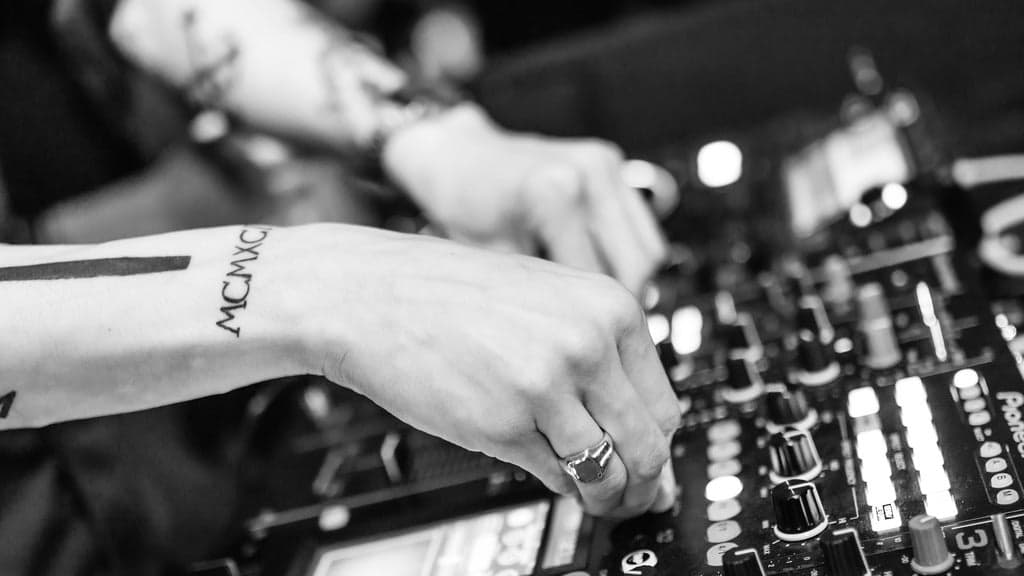
Hip-hop concerts bring lyrical storytelling, hype anthems, and DJ-driven energy to crowds across every major city. From legendary pioneers to trap, drill, and conscious rap torchbearers, these shows feature dynamic stage presence, live bands, and guest appearances. Headliners range from Kendrick Lamar, Drake, Travis Scott, and J. Cole to Tyler The Creator, Doja Cat, and rising regional talents. Expect bass-heavy production, pyrotechnics, freestyle moments, and crowds rapping every word back to the stage.
This page is the live, refreshed-every-12-hours feed of every confirmed Hip-Hop tour across major Canadian and US metros. Buy Hip-Hop tickets on the official primary market, see which Hip-Hop artists are touring this season, compare prices city by city, and get notified the moment a new Hip-Hop tour drops. Cards below are sorted by closest date first.
Hip-hop's live touring market operates at two distinct scales: the arena, where artists like Kendrick Lamar and J. Cole perform technically tight two-hour sets for crowds of fifteen to twenty thousand, and the stadium, where Drake or Travis Scott stage spectacles that rival anything in rock or pop touring for production ambition. The genre's relationship with live performance has always been more complicated than rock or country — recorded hip-hop's precision is difficult to replicate live, and the best hip-hop shows are the ones that find a way to translate studio craft into physical energy. When that translation works — when the bass from a DJ drops in a 20,000-seat arena and the crowd raps the entire first verse back without being prompted — it creates a collective experience that is genuinely unlike anything else in live music.
Why hip-hop arena and stadium tours set records
Hip-hop has been the dominant genre in global streaming for a decade, and that streaming dominance has translated directly into touring power. Drake's It's All a Blur Tour became one of the highest-grossing North American concert tours of 2023, demonstrating that a hip-hop artist can generate the same touring revenue as the biggest rock or pop acts. Kendrick Lamar's Grand National Tour with SZA sold out arenas within hours of going on sale. Travis Scott's Utopia — Circus Maximus Tour brought stadium-scale hip-hop touring to markets that had never hosted a hip-hop stadium event before. The sneaker and streetwear culture embedded in hip-hop has also become a significant revenue stream at concerts — merch tables at major hip-hop shows move more merchandise per attendee than almost any other genre, with limited-edition tour drops sometimes selling out within the first hour of doors opening. This merch economy reinforces the live touring business model and gives the industry additional financial justification for investing in large-scale hip-hop productions.
The artists headlining hip-hop tours in North America
Drake is the commercial summit of North American hip-hop touring — his arena and stadium runs consistently break box-office records, and his connection to Toronto gives him a unique home-market advantage that no other hip-hop artist matches in Canada. Kendrick Lamar, especially following his cultural moment with Not Like Us and the Grand National Tour, has demonstrated that critical prestige and touring power can be mutually reinforcing rather than in tension. Travis Scott's Utopia world tour established his stadium-scale credibility despite the complexity of his previous events. J. Cole's Forest Hills Drive anniversary tours and his KOD shows have proven that a lyricist-first approach can support significant arena-scale touring without mainstream radio presence. Tyler the Creator's tours are known for exceptional production design — Camp Flog Gnaw festival is as much a visual art experience as a music event. More recently, Playboi Carti, Future, and 21 Savage have established arena-scale touring capabilities, while Metro Boomin's producer-led shows represent an interesting evolution of the format.
What to expect at a live hip-hop show
Hip-hop concerts are built on surprise. The surprise-guest tradition — where an artist not on the bill walks out mid-set to perform a collaboration or freestyle — is so embedded in the culture that audiences arrive at major hip-hop shows expecting at least one unannounced appearance. In cities like Toronto or Los Angeles, where multiple major artists coexist in tight social circles, surprise appearances can become the most-talked-about moment of a tour. DJ sets bookend and punctuate the main performances — the best hip-hop show DJs serve as co-performers, not just background music providers, and build tension and release that complements the headliner's energy. Sneaker culture is visible and participatory: limited-edition merch drops at hip-hop shows often include footwear collaborations, and fans discuss their fits as part of the event experience. Production at arena level includes elaborate lighting, video wall design, and stage choreography — Drake's Scorpion and Certified Lover Boy tour productions were widely discussed for their visual ambition.
Where hip-hop tours land in North America
New York City (Madison Square Garden, Barclays Center, UBS Arena) and Los Angeles (Crypto.com Arena, Kia Forum, SoFi Stadium for stadium-scale events) are the two poles of the North American hip-hop touring market. Both cities host the most shows and typically receive multi-night residencies from top-tier artists. Chicago's United Center is a critical stop — the city's deep hip-hop roots (Kanye West, Chance the Rapper, Lil Durk, and the broader drill scene) mean Chicago hip-hop shows carry a particular intensity. Toronto is the most important Canadian market by a significant margin — Drake's connection to Scotiabank Arena (formerly the Air Canada Centre) makes it arguably the most charged hip-hop venue in Canada, and other major acts consistently include Toronto as a primary stop. Houston, Atlanta, Detroit, and the broader Southeast represent regional hip-hop markets where local scene affiliation adds an extra layer of crowd intensity — Atlanta shows for artists from the city's trap tradition carry a hometown energy that mirrors Toronto for Drake.
Hip-Hop concert FAQ
Why are surprise guests so common at hip-hop concerts?▼
Surprise guest appearances are one of hip-hop's defining live traditions, rooted in the
genre's collaborative culture and the physical proximity of major artists in music industry
hubs like Los Angeles, Atlanta, New York, and Toronto. The practice dates to the early
club and mixtape era, when artists would appear unannounced at events to generate buzz
and demonstrate their connections. At the arena and stadium level, surprise guests are
now a structural element of the show experience — promoters and management teams often
know in advance that guests are planned, but maintain the fiction of spontaneity because
the crowd reaction is authentic regardless of whether it was staged. For artists like
Drake in Toronto or Travis Scott in Houston, appearing at each other's hometown shows
is both a gesture of respect and a commercially smart move that generates social media
coverage and heightens demand for future shows.
What is the merch drop culture at hip-hop concerts?▼
Limited-edition merchandise drops at hip-hop concerts have become a significant commercial
and cultural event in their own right. Artists like Travis Scott (whose Cactus Jack brand
collaborations have included Nike, Jordan Brand, and McDonald's tie-ins) and Drake (whose
OVO Sound merch operations are professionally managed) treat tour merchandise as a fashion
and hype product rather than a simple souvenir. Limited tour-specific items — hoodies,
t-shirts, caps, and occasionally sneaker collaborations — are made available only at
specific shows and sell out quickly. Fans who want the most coveted merch items often
arrive at venues hours before doors open and queue specifically for the merchandise table.
The resale market for limited hip-hop tour merch is active — certain sold-out tour items
appear on StockX and similar platforms at significant premiums within hours of a show
ending.
How does Drake's Toronto connection affect Scotiabank Arena shows?▼
Drake's relationship with Toronto is one of the most significant artist-city connections
in contemporary touring. He grew up in Forest Hill, first performed at venues that no
longer exist, and has spent years publicly identifying Toronto — particularly its musical
DNA of Jamaican and Caribbean influences mixed with suburban R&B — as the source of his
sound. His concerts at Scotiabank Arena (formerly the Air Canada Centre) carry the
intensity of a genuine hometown show amplified by his global stature. The crowd energy
at a Drake Toronto show is distinctively different from a New York or Los Angeles show —
the audience arrives with a sense of shared ownership of the music that creates an
unusually charged atmosphere. Local references in his banter land differently, specific
Toronto-specific songs receive responses that feel personal rather than communal, and
the guest appearances during Toronto shows (often including local artists from the 6ix
scene) add a layer of meaning unavailable elsewhere on the tour.
What should I wear to a hip-hop concert?▼
Hip-hop concerts are among the most fashion-conscious events in the touring industry, but
the dress code is defined by streetwear aesthetics rather than formal dress codes.
Sneakers are central — wearing a notable pair (Jordan 1s, Dunks, Yeezys, or a relevant
collaborative colorway) is a form of cultural participation that experienced hip-hop
concert attendees take seriously. Hoodies, cargo pants, athletic wear, and designer
streetwear pieces are all common. For artists with strong visual aesthetic identities
(Travis Scott's Cactus Jack aesthetic, Tyler the Creator's Golf Wang look), some fans
coordinate their outfit around the artist's signature colors or references. There is no
obligation to dress in any particular way, but arriving at a major hip-hop show dressed
in the genre's visual language — streetwear, notable sneakers, minimal but quality pieces
— makes for a more integrated experience with the crowd culture around you.
How long do hip-hop arena shows typically run?▼
Hip-hop arena shows typically run between ninety minutes and two and a half hours for
the main set, depending on the artist's catalog depth and touring philosophy. Drake's
arena runs tend toward the longer end — his shows have been known to exceed two hours
with extensive crowd interaction, monologues, and a large number of songs from a catalog
that spans more than a decade of hit albums. Kendrick Lamar's shows are tighter and
more conceptually organized, typically running ninety minutes to two hours with less
spontaneous deviation from the setlist. J. Cole's shows balance lyrical performance
with crowd interaction and usually run in the ninety-minute to two-hour range. Travis
Scott's show structure is heavily tied to production design — the visual storytelling
of shows like Utopia means the pacing is dictated partly by set transitions rather than
strictly by song sequence. Most major hip-hop shows do not include a traditional encore
break — the headliner typically performs the biggest songs of the night within the main
set rather than departing and returning.
About Hip-Hop concerts
Hip-hop concerts bring lyrical storytelling, hype anthems, and DJ-driven energy to crowds across every major city. From legendary pioneers to trap, drill, and conscious rap torchbearers, these shows feature dynamic stage presence, live bands, and guest appearances. Headliners range from Kendrick Lamar, Drake, Travis Scott, and J. Cole to Tyler The Creator, Doja Cat, and rising regional talents. Expect bass-heavy production, pyrotechnics, freestyle moments, and crowds rapping every word back to the stage.