Foo Fighters Seat Map 2026 — Floor, Bowl, VIP & Best Seats
Foo Fighters seat maps for 2026: the seller's published seating chart for each listed venue, with the dates played there. Venues without a published chart are listed as such.
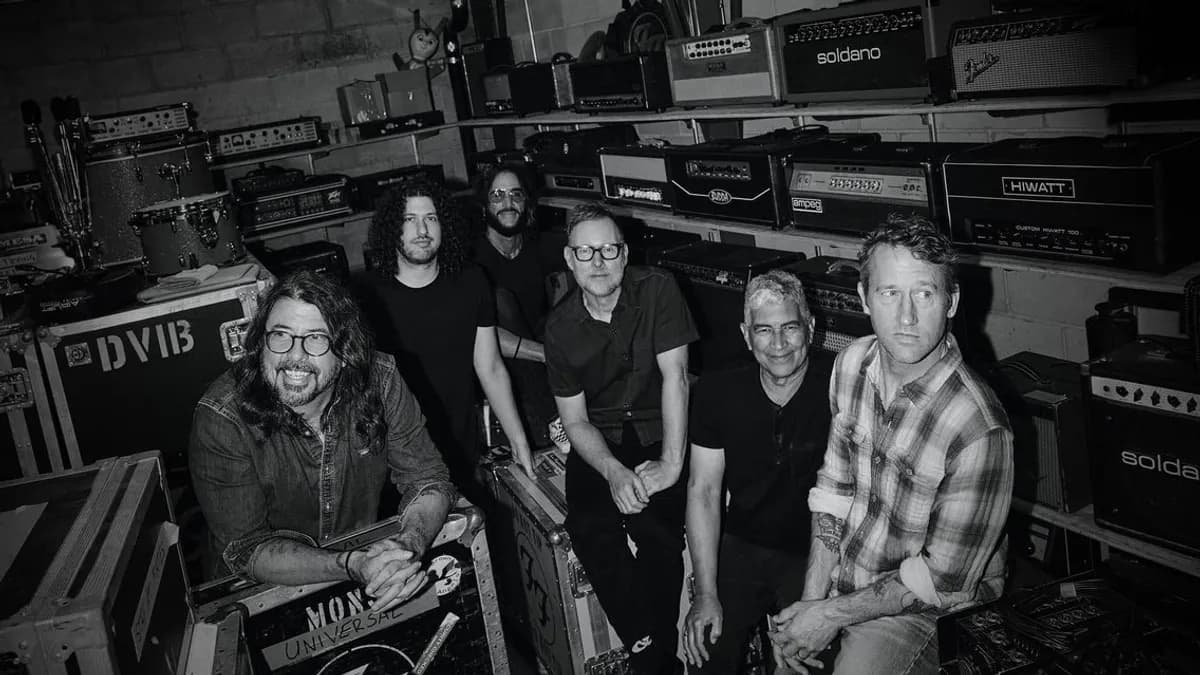
Foo Fighters dates & tickets
Find a date, check available prices, and explore ticket options.
Foo Fighters
Suncorp Stadium · Milton · AU
19:00 local timeFrom$146 USD
Find ticketsFoo Fighters
North Queensland Stadium · Queensland · AU
19:00 local timeFrom$134 USD
Find ticketsFoo Fighters Sydney
Credit Union 1 Amphitheatre · Chicago · US
18:00 local timeFrom$141 USD
Find ticketsFoo Fighters
McDonald Jones Stadium · Newcastle, NSW · AU
18:00 local timeFrom$168 USD
Find ticketsFoo Fighters
Marvel Stadium · Melbourne · AU
18:00 local timeFrom$125 USD
Find ticketsFoo Fighters
One New Zealand Stadium · Christchurch · New Zealand
18:00 local timeFrom$191 USD
Find ticketsFoo Fighters
HBF Park · Perth · AU
18:00 local timeFrom$183 USD
Find ticketsFoo Fighters
Estadio Más Monumental · Buenos Aires · Argentina
20:00 local timeFrom$189 USD
Find tickets
Prices are per ticket when supplied by the provider. Availability and fees may change at checkout. Prices shown in your display currency are converted estimates.
Foo Fighters seat maps by venue
The seller has not published a static seating chart for any of the 8 listed venues. The interactive map with live availability opens on the seller listing for each date.
- Suncorp Stadium, Milton — no static seat map published by the seller
- North Queensland Stadium, Queensland — no static seat map published by the seller
- Credit Union 1 Amphitheatre, Chicago — no static seat map published by the seller
- McDonald Jones Stadium, Newcastle, NSW — no static seat map published by the seller
- Marvel Stadium, Melbourne — no static seat map published by the seller
- One New Zealand Stadium, Christchurch — no static seat map published by the seller
- HBF Park, Perth — no static seat map published by the seller
- Estadio Más Monumental, Buenos Aires — no static seat map published by the seller
Foo Fighters Seat Map — FAQ
Is there a Foo Fighters seat map?▼
When is Foo Fighters's next concert?▼
Where is Foo Fighters playing in 2026?▼
How much are Foo Fighters tickets?▼
About Foo Fighters
Foo Fighters were born out of one of the most violent ruptures in modern rock history. When Nirvana ended with Kurt Cobain's death in April 1994, drummer Dave Grohl, then 25, retreated to Robert Lang Studios just north of Seattle and recorded fifteen songs in six days, playing every instrument himself apart from a single guitar overdub by Greg Dulli. He called the cassette Foo Fighters as a deliberately throwaway joke — a nod to UFO sightings reported by World War II pilots — so that nobody would assume it was a solo statement. The tape leaked through the Seattle underground, a record deal materialised, and Grohl realised he needed an actual band.
The first lineup — Grohl on vocals and guitar, ex-Sunny Day Real Estate's Nate Mendel on bass, ex-Germs guitarist Pat Smear, and drummer William Goldsmith — toured the 1995 self-titled debut into the ground. The Colour and the Shape (1997) is the moment Foo Fighters became Foo Fighters: Taylor Hawkins joined on drums, Grohl re-recorded most of the kit parts himself, and the album produced "Everlong," "My Hero" and "Monkey Wrench" — three songs that have closed or opened virtually every Foo Fighters show since. There Is Nothing Left to Lose (1999) won the first of twelve Grammys. One by One (2002), In Your Honor (2005), Echoes Silence Patience & Grace (2007) and Wasting Light (2011, recorded entirely to analogue tape in Grohl's garage) cemented stadium-headliner status. Sonic Highways (2014) doubled as an HBO documentary series; Concrete and Gold (2017) and Medicine at Midnight (2021) pushed into glossier territory.
Then March 2022 changed everything. Taylor Hawkins — Grohl's musical brother and the most beloved drummer of his generation — died in Bogotá. The band cancelled the rest of the tour, played two staggering tribute concerts at Wembley and the Kia Forum, and disappeared. They returned in 2023 with But Here We Are, a record written in raw grief that also processed the death of Grohl's mother Virginia, and with Josh Freese — a session legend who has drummed for Devo, Guns N' Roses, A Perfect Circle and Nine Inch Nails — confirmed as the new full-time drummer. The current six-piece is Grohl (vocals/guitar), Mendel (bass), Smear (guitar), Chris Shiflett (lead guitar, in the band since 1999), Rami Jaffee (keys, full member since 2017) and Freese. They tour the world as one of the last truly great rock bands still capable of selling out two consecutive nights at Wembley Stadium — and they do it while honouring Hawkins every single night.