TBA, Cologne
1 listed date: Oct 21, 2026
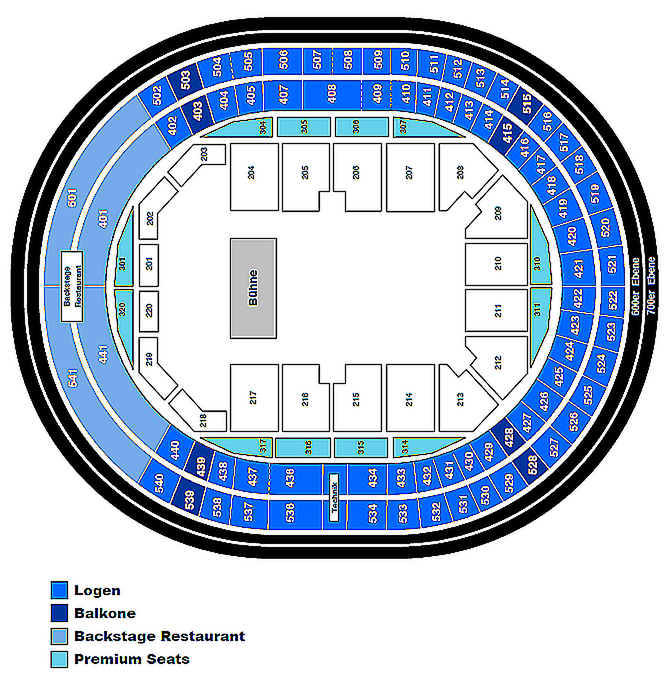
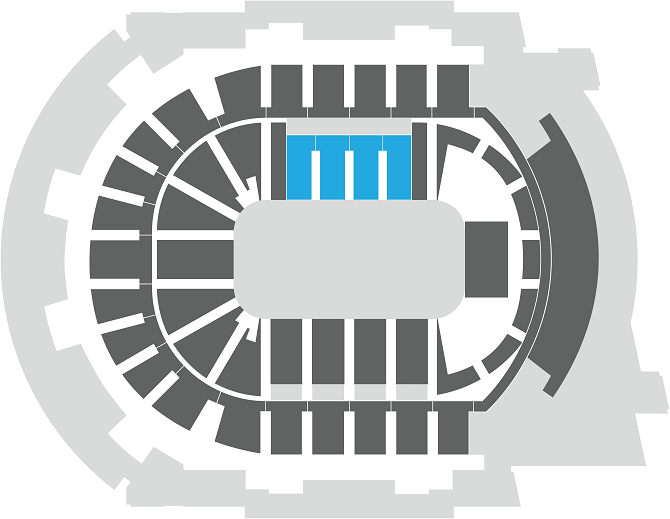
Korn seat maps for 2026: the seller's published seating chart for each listed venue, with the dates played there. Venues without a published chart are listed as such.

Find a date, check available prices, and explore ticket options.
Olympiapark München · Munich · DE
19:00 local timeFrom$343 USD
Find ticketsLanxess Arena · Cologne · DE
19:00 local timeFrom$147 USD
Find ticketsTBA · Cologne · DE
19:00 local timeCheck ticket prices
Find ticketsAccor Arena · Paris · FR
19:00 local timeFrom$115 USD
Find ticketsLeeds First Direct Bank Arena · Leeds · GB
18:00 local timeCheck ticket prices
Find ticketsLeeds First Direct Bank Arena · Leeds · GB
18:00 local timeCheck ticket prices
Find ticketsFirst Direct Arena · Leeds · GB
19:00 local timeFrom$153 USD
Find ticketsUtilita Arena Birmingham · Birmingham · GB
19:00 local timeFrom$168 USD
Find ticketsUtilita Arena Newcastle · Newcastle Upon Tyne · GB
18:00 local timeCheck ticket prices
Find ticketsUtilita Arena Newcastle · Newcastle Upon Tyne · GB
18:00 local timeCheck ticket prices
Find ticketsUtilita Arena Newcastle · Newcastle · GB
19:00 local timeFrom$132 USD
Find ticketsAO Arena · Manchester · GB
18:00 local timeCheck ticket prices
Find ticketsPrices are per ticket when supplied by the provider. Availability and fees may change at checkout. Prices shown in your display currency are converted estimates.
The seller has published a static seating chart for 8 of the 26 listed venues. The interactive map with live availability opens on the seller listing for each date.
1 listed date: Oct 21, 2026
2 listed dates: Oct 26, 2026, Oct 26, 2026
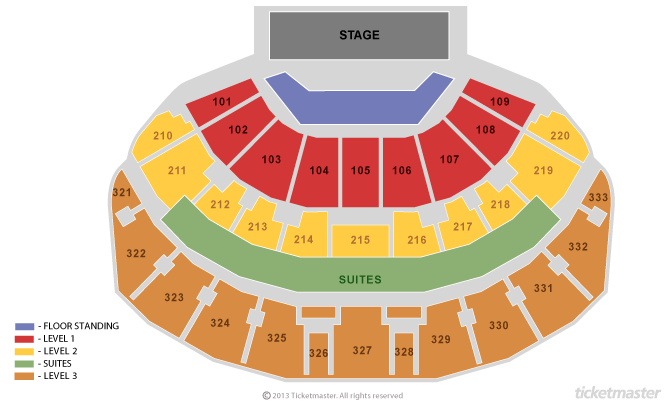
1 listed date: Oct 28, 2026
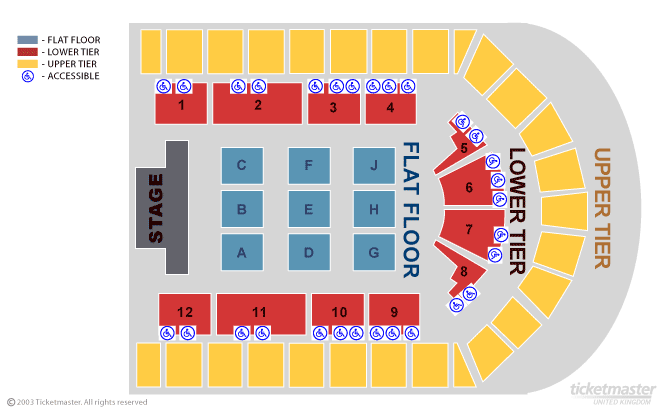
2 listed dates: Oct 30, 2026, Oct 30, 2026
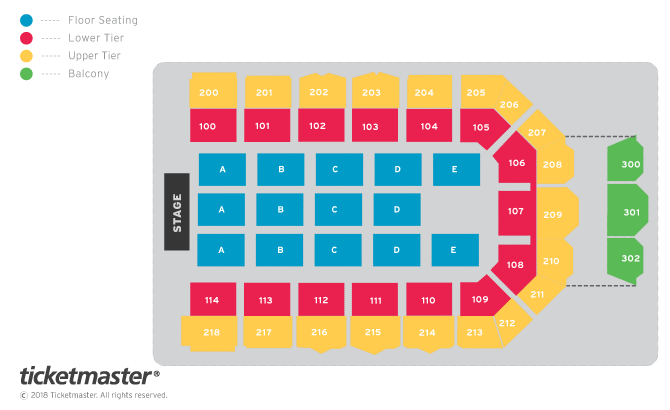
2 listed dates: Oct 31, 2026, Oct 31, 2026
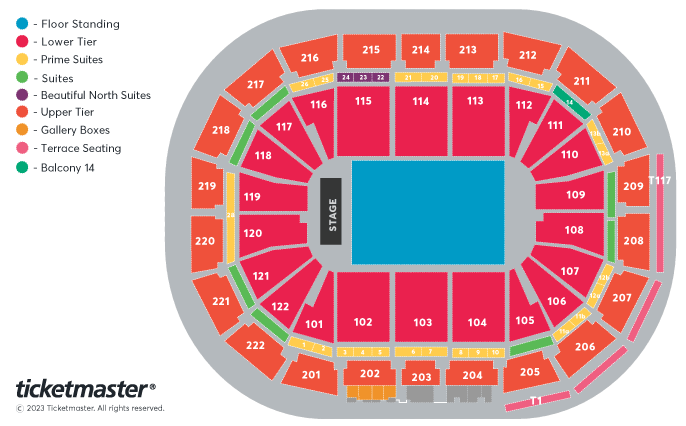
1 listed date: Nov 2, 2026
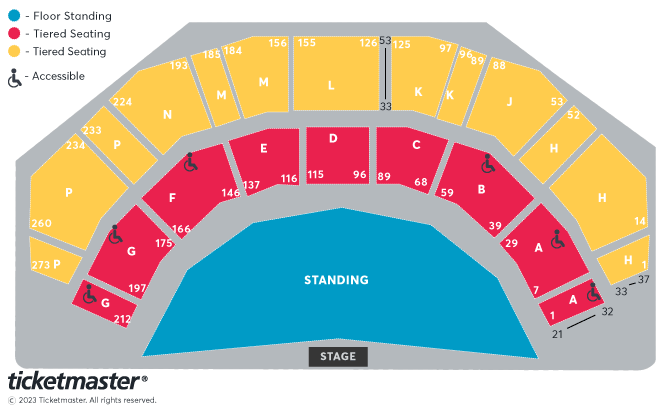
1 listed date: Nov 4, 2026
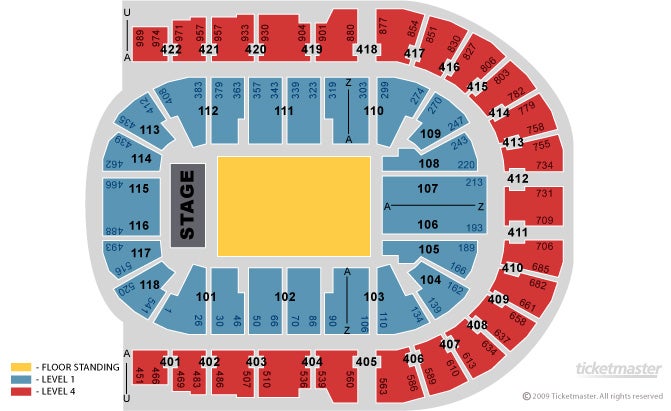
2 listed dates: Nov 14, 2026, Nov 14, 2026
Korn formed in Bakersfield, California in 1993 when bassist Reginald 'Fieldy' Arvizu, guitarists James 'Munky' Shaffer and Brian 'Head' Welch, and drummer David Silveria — all from an earlier Bakersfield band called L.A.P.D. — recruited Jonathan Davis from the local goth-metal group Sexart on the strength of his rehearsal-room vocal range. The band relocated to Huntington Beach almost immediately, signed a development deal with Immortal Records, and recorded their self-titled debut Korn through 1993 and early 1994 with producer Ross Robinson at Indigo Ranch Studios in Malibu. The album was released in October 1994 on Immortal/Epic and arrived to almost no radio support — but it built audience the long way, through the band's relentless touring through 1994 and 1995 on the Danzig and Megadeth and Sick of It All bills, through Davis's bagpiped opening of Shoots and Ladders, through Blind's iconic 'aaarrre you readyyyy?' opening, and through the genre-establishing combination of seven-string downtuned guitar, hip-hop-influenced rhythm phrasing, and Davis's deeply personal trauma-narrative lyrics. The album was certified double platinum by 1996 and has gone on to sell more than ten million copies worldwide, widely regarded as the foundational text of the entire nu-metal genre. Life Is Peachy followed in October 1996, debuting at number three on the Billboard 200 on the strength of A.D.I.D.A.S. and No Place to Hide. The commercial breakthrough was Follow the Leader in August 1998 — a number-one debut anchored by Got the Life and Freak on a Leash, whose Todd McFarlane-animated video won the MTV Video Music Award for Best Rock Video at the 1999 ceremony and won the band's first Grammy for Best Metal Performance the following year. Follow the Leader sold more than ten million copies and effectively defined the late-1990s nu-metal mainstream alongside Limp Bizkit and Linkin Park. Issues followed in November 1999, another number-one debut, with Falling Away from Me and Make Me Bad. Untouchables (June 2002), Take a Look in the Mirror (November 2003), and See You on the Other Side (December 2005) extended the catalogue through Here to Stay, Did My Time, Y'All Want a Single, Twisted Transistor, and Coming Undone. The band lost guitarist Brian Welch in 2005, who left amid a public Christian conversion and a battle with substance abuse, only to return seven years later in 2013. Drummer David Silveria departed in 2006 and was succeeded by Ray Luzier from Army of Anyone in early 2007. The Untitled album followed in 2007, Korn III: Remember Who You Are in 2010, the dubstep crossover The Path of Totality in 2011, The Paradigm Shift in 2013 (marking Welch's return), The Serenity of Suffering in 2016, The Nothing in 2019, and Requiem in February 2022 — the band's fourteenth studio album. Bassist Fieldy announced a hiatus from touring in 2021 with Roberto 'Ra' Diaz of Suicidal Tendencies and others handling bass duties on subsequent tours; his return remains an open question, though he has appeared on later recordings and the band have spoken about him publicly with full warmth. Across the run, Korn have sold more than 40 million records worldwide, won two Grammys, and become one of the few acts to chart number-one albums on the Billboard 200 in three different decades.