Lil Wayne Tickets 2026 — Prices, Dates & Where to Buy
Everything you need to buy Lil Wayne tickets for the 2026 tour — current prices, every listed tour date, VIP and meet and greet options, presale info, and how to avoid overpriced resale. Advertised tickets start from $33.00 USD.
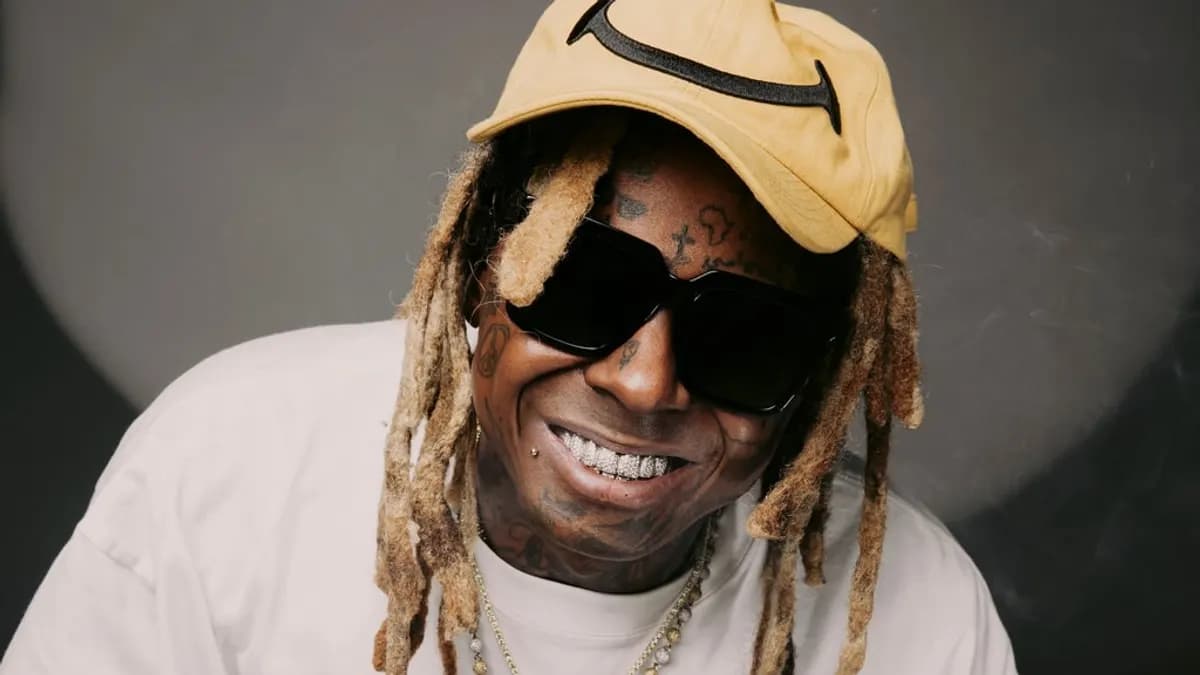
Lil Wayne dates & tickets
Find a date, check available prices, and explore ticket options.
Lil Wayne
Charleston Coliseum & Convention Center - Charleston · Charleston · US
20:30 local timeFrom$72.00 USD
Find ticketsLil Wayne
Charleston Coliseum & Convention Center - Charleston · Charleston · US
20:30 local timeFrom$79.00 USD
Find ticketsLil Wayne
Frost Bank Center · San Antonio · US
20:00 local timeFrom$96.00 USD
Find ticketsLil Wayne
Rupp Arena · Lexington · US
20:30 local timeFrom$60.00 USD
Find ticketsLil Wayne
Thompson Boling Arena at Food City Center · Knoxville · US
20:00 local timeFrom$33.00 USD
Find ticketsLil Wayne
Bon Secours Wellness Arena · Greenville · US
20:30 local timeFrom$81.00 USD
Find ticketsLil Wayne
Rupp Arena · Lexington · US
20:30 local timeFrom$43.00 USD
Find ticketsLil Wayne
Santander Arena · Reading · US
19:30 local timeFrom$128.00 USD
Find tickets
Prices are per ticket when supplied by the provider. Availability and fees may change at checkout. Currency conversions marked ≈ are estimates.
How Much Are Lil Wayne Tickets?
The lowest advertised starting price across the listed dates is US$33. That is a starting price for a single ticket, not a guaranteed checkout total, and it does not establish what floor seats or VIP packages cost. Prices differ by date, section, ticket quantity and seller — open a date above to compare the supplied options and check the total including fees before paying.
Where to Buy Lil Wayne Tickets
- Ticketmaster (primary). Official face-value seats. Always start here before resale.
- Live Nation. Same inventory as Ticketmaster for most tours, sometimes with a different presale.
- Venue box office. Day-of tickets without resale fees if the show isn't sold out.
- Reputable resale (StubHub, Vivid Seats). For sold-out dates — buyer-protected, but expect markups.
- Fan-to-fan transfers. Ticketmaster lets original buyers resell at face value — worth watching 24–48 hours before the show.
When Do Lil Wayne Tickets Go On Sale?
Lil Wayne tickets typically go on sale on a Friday at 10:00 am local time for each tour stop, with Verified Fan, Live Nation, and credit-card presales opening 1 to 3 days earlier. Exact on-sale times for each Lil Wayne 2026 date are shown on that date's own event page, reached from the list above.
Lil Wayne Tickets — FAQ
How much do Lil Wayne tickets cost in 2026?▼
Where can I buy Lil Wayne tickets safely?▼
When do Lil Wayne tickets go on sale?▼
Are Lil Wayne tickets refundable?▼
Will Lil Wayne add more tour dates?▼
How much are Lil Wayne tickets in 2026?▼
When is Lil Wayne's next concert?▼
Where is Lil Wayne touring in 2026?▼
How do I get Lil Wayne presale tickets?▼
Does Lil Wayne do meet and greets or VIP packages?▼
How long is a Lil Wayne concert?▼
Can I buy Lil Wayne tickets on the day of the show?▼
About Lil Wayne
Dwayne Michael Carter Jr. was born September 27, 1982 in New Orleans, Louisiana to Jacida Carter, a cook, and Dwayne Michael Turner. His parents separated when he was young and he was raised primarily by his mother in the Hollygrove neighborhood of Uptown New Orleans — a working-class West Bank-adjacent stretch he has cited repeatedly across the catalogue. He attended Lafayette Elementary School and Eleanor McMain Secondary School, performed in the school drama club, and as a child wrote his first raps that he handed on cassette to Bryan 'Birdman' Williams of Cash Money Records, who signed him to the label around age eleven. He recorded with Cash Money labelmates B.G., Juvenile, and Turk as the Hot Boys, releasing Get It How U Live! in 1997 and Guerrilla Warfare in 1999 before launching his solo career with Tha Block Is Hot in 1999, which went platinum that year. Lights Out followed in 2000 and 500 Degreez in 2002. The breakthrough was 2004's Tha Carter — Bring It Back, Go DJ — which reframed him from teen Cash Money act to a serious solo voice in Southern rap. Tha Carter II in 2005 produced Fireman and Hustler Musik. The 2006 through 2008 mixtape run — Da Drought 3, Dedication 2, The Drought Is Over series — saturated the blog era and built unprecedented critical and street consensus around the catalogue. Tha Carter III in June 2008 debuted at number one on the Billboard 200 with roughly one million copies sold in the first week, anchored by Lollipop, A Milli, and Got Money, and won the Grammy for Best Rap Album along with three other Grammys at the 2009 ceremony. Rebirth in 2010 pushed into rock production with Drop the World featuring Eminem. I Am Not a Human Being in 2010 and the I Am Not a Human Being II in 2013 sat alongside the catalogue spine. Tha Carter IV in 2011 produced 6 Foot 7 Foot and How to Love. A long contractual dispute with Cash Money Records delayed Tha Carter V for several years; it was released in September 2018 and debuted at number one with anchor singles Mona Lisa featuring Kendrick Lamar and Uproar. Funeral in 2020 again hit number one. He founded Young Money Entertainment in 2005 as a Cash Money imprint and signed Drake in 2009 off the So Far Gone mixtape, Nicki Minaj that same year, and Tyga shortly after — the Young Money roster became one of the most commercially dominant rap labels of the streaming era. He has won five Grammy Awards across the career, served briefly on Rikers Island in 2010 on a weapons-possession plea, and has continued to tour heavily across arenas, festivals, and headline package routings. The catalogue's influence on the melodic, AutoTune-inflected rap that followed — through Drake, Future, Young Thug, and the broader Atlanta and New Orleans scenes — is now openly cited as one of the defining stylistic shifts in 21st-century hip-hop.