Oct2
Concert
Aftershock Festival
Buy ticketsAffiliate — we may earn a commission at no extra cost
Refund, transfer, and resale rules can vary by event. Open the official listing before purchase.
Limp Bizkit, the American nu-metal act, currently has 2 confirmed live dates across 2 cities — the most recent routing points at Discovery Park in Sacramento, and the refund, transfer, and resale terms attached to each ticket are set per event, so verify them on the listing for your chosen date.
Ticketmaster tickets for Limp Bizkit are usually non-refundable unless the show is cancelled, materially changed, or rescheduled under terms that open a refund window. If a date is postponed, your ticket normally remains valid for the new date. Always read the event policy on the checkout screen before paying, especially for VIP, platinum, or resale tickets.
Cancelled means the event is off and refunds are normally issued to the original payment method. Postponed means the promoter is working on a new date, so refunds may not open immediately. Rescheduled means the new date is published; your ticket usually transfers automatically, with refund options depending on the event's posted policy.
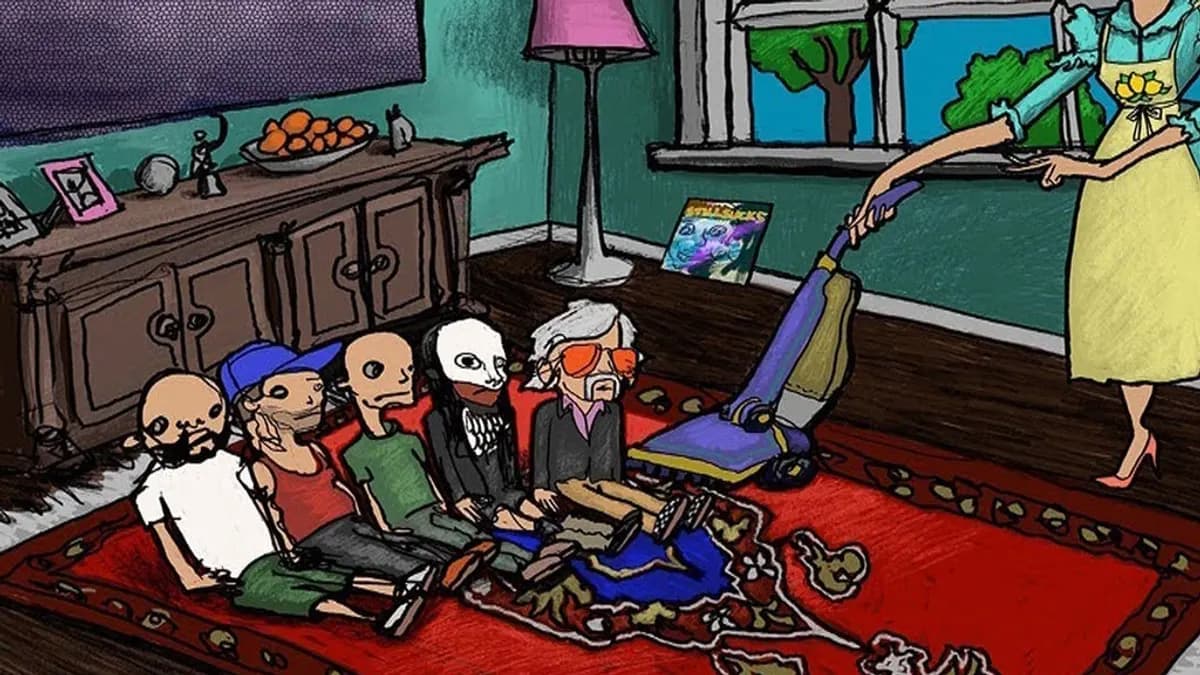
Limp Bizkit formed in Jacksonville, Florida in 1994 when Fred Durst — a tattoo artist writing rhymes over Run-DMC-style breaks — connected with bassist Sam Rivers and Rivers' cousin John Otto on drums. They auditioned local guitarists for months before settling on Wes Borland, an art-school graduate with a taste for downtuned seven-string riffing and avant-garde stage costumes that would shape the band's visual identity. DJ Lethal, formerly of House of Pain, joined in 1996 after a chance encounter with Korn's Brian 'Head' Welch on the Jacksonville circuit. The completed five-piece signed to Flip/Interscope in 1997 and released Three Dollar Bill, Y'all$ that same year — a debut produced by Ross Robinson that paired Borland's bounce-heavy riffs with Durst's confessional-aggression delivery and produced an unlikely crossover hit in a Faith cover, rebuilt as a downtuned headbanger, that pulled the band into MTV rotation and onto the 1997 Ozzfest tour. Significant Other arrived in June 1999 and exploded: it debuted at number one on the Billboard 200 with 644,000 copies in its first week, was certified seven-times platinum in the United States, produced Nookie, Re-Arranged and N 2 Gether Now (a collaboration with Method Man) as singles, and made the band a household name almost overnight. The cycle included the now-infamous Woodstock 99 main-stage slot on July 24, 1999 — a set finishing with Break Stuff turning the festival's deteriorating crowd dynamics into a national news story. Chocolate Starfish and the Hot Dog Flavored Water followed in October 2000 with a first-week sales figure of 1.05 million copies — at the time the largest opening week ever for a rock album in SoundScan-tracked history — and produced Rollin' (Air Raid Vehicle), My Generation, My Way, Take a Look Around (the Mission: Impossible 2 theme), and Boiler. Wes Borland left in 2001 and was replaced briefly by Mike Smith for the 2003 album Results May Vary; the dissatisfaction with that record drove Borland's return for 2005's The Unquestionable Truth (Part 1), an intentionally darker EP-length release the band describe as their reset. Gold Cobra followed in 2011 after a hiatus, the band toured at theatre and festival scale through the mid-2010s, and then in October 2021 — without any pre-release campaign, marketing budget or single — Fred Durst dropped Still Sucks as a surprise release on Halloween, the title a self-aware nod to the band's ongoing critical reception. Still Sucks was their first full-length in a decade and the touring cycle around it drove the modern Limp Bizkit live resurgence: viral Lollapalooza appearances, the multi-month Loserville Tour, headline festival slots across North America and Europe. Sam Rivers passed away on October 18, 2025; the band have honoured his memory publicly and continued the Loserville touring cycle in tribute, with his bass parts kept central to the live show and the audience response in the months that followed underscoring the loss for fans of the band's generation.