Ricky Gervais Tickets in Cardiff 2026
This tickets guide is scoped to Ricky Gervais' Cardiff stop. Ricky Gervais tickets for 2026: 2 listed dates across 1 city, with each seller's advertised starting price and on-sale window where published.
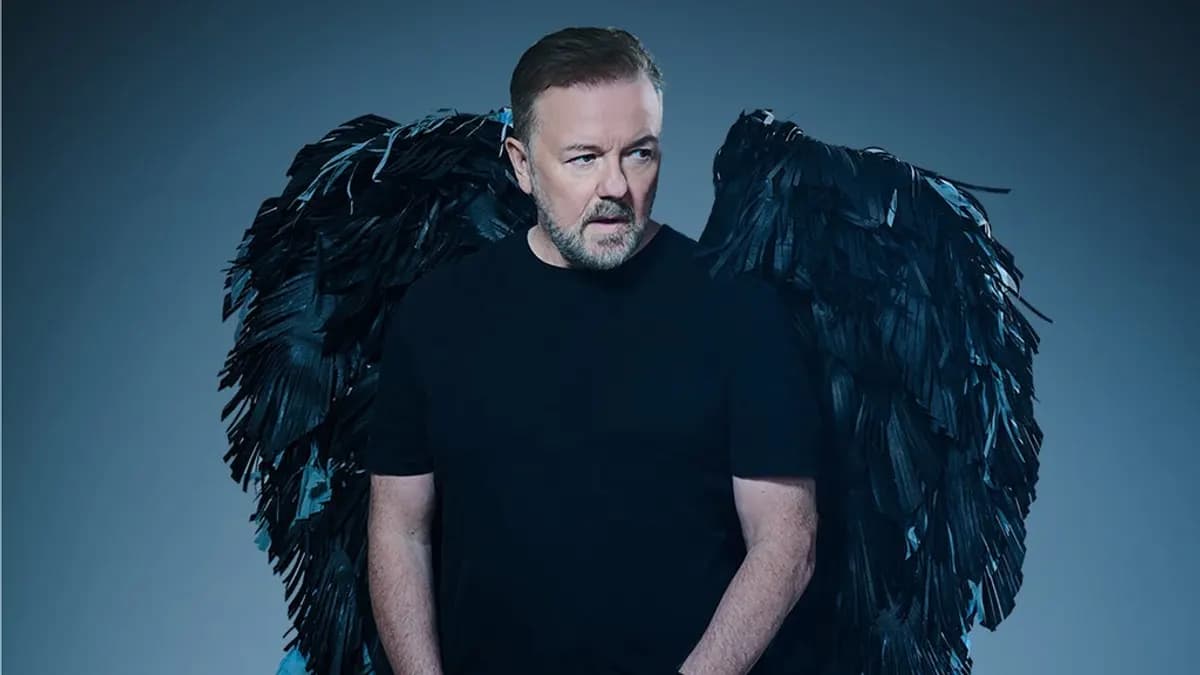
Ricky Gervais Cardiff dates & tickets
Find a date, check available prices, and explore ticket options.
Check ticket prices
Find ticketsCheck ticket prices
Find tickets
Prices are per ticket when supplied by the provider. Availability and fees may change at checkout. Prices shown in your display currency are converted estimates.
When Do Ricky Gervais Tickets Go On Sale?
Our sellers have not published on-sale times for the listed Ricky Gervais dates. The on-sale status for each date is on its seller listing, reached from the list above.
Where to Buy Ricky Gervais Tickets
- The seller on each date above. Each row links to the provider that listed that performance, with its advertised price.
- The venue box office. Sells its own allocation without a resale mark-up when the show is not sold out.
- Resale marketplaces. Prices are set by the reseller and can sit above or below face value.
Ricky Gervais Cardiff Tickets — FAQ
Which Cardiff show does this tickets guide cover?▼
When is Ricky Gervais's next concert?▼
Where is Ricky Gervais playing in 2026?▼
About Ricky Gervais
Ricky Dene Gervais was born in Reading in June 1961, the youngest of four children to a French-Canadian father and an English mother. The biographical detail matters less than the late start: Gervais was nearly forty before he found his lane. After a short and largely unremarked spell as one half of the early-1980s synth-pop duo Seona Dancing, he spent most of his thirties working in entertainment management around the University of London Union, where his colleague was a young Stephen Merchant. The first public-facing comedy work came through XFM London in the late 1990s, where Gervais and Merchant hosted the weekend show that would later, via repackaging on podcast and television, become The Ricky Gervais Show — for several years one of the most downloaded podcasts in the world. A brief stint on Channel 4's The Eleven O'Clock News in 1998, in which Gervais played a deliberately ill-informed political correspondent, was the proof of concept. The Office, broadcast on BBC Two in 2001 and 2002 with a 2003 Christmas finale, did the rest. The series remade workplace comedy in a single move: the mockumentary form, the silences, the cringe, the unsentimental ending. NBC's American adaptation, which ran from 2005 to 2013 and made stars of Steve Carell, John Krasinski, Rainn Wilson and Mindy Kaling, was the commercial validation. Extras, co-written again with Merchant and broadcast across 2005 and 2006, deepened the same vein with a parade of A-list cameos taking calculated shots at their own public images. Gervais's stand-up career began in parallel and has run continuously since. Animals (2003) was followed by Politics, Fame and Science, each filmed and released across the 2000s and early 2010s, before Netflix picked up Humanity (2018), SuperNature (2022) and Armageddon (2023) as a connected stand-up trilogy. Each special arrived with a calculated provocation built into the marketing, and each one cleared headlines for several news cycles on the strength of its more contested material. Alongside the stand-up he hosted the Golden Globes five times between 2010 and 2020, where his opening monologues became their own genre of viral clip. The Netflix series After Life, written and directed by Gervais and broadcast across three seasons from 2019 to 2022, sat in a quieter register and became one of the platform's most-watched original comedies in the UK. Outside the work, Gervais has been one of the louder British public voices on animal welfare, supporting the ban on trophy hunting, campaigning against the dog meat trade, and producing the SPECIESISM documentary strand. Derek, broadcast on Channel 4 between 2012 and 2014, applied the same sentimental register to a residential care home and divided critics. Two decades on, the body of work is substantial and the cultural argument over how to read it remains live.