Oct6
Concert
Sting
Buy ticketsAffiliate — we may earn a commission at no extra cost
Official merch is sold inside the venue on show night. Tap a date for the verified ticket listing.
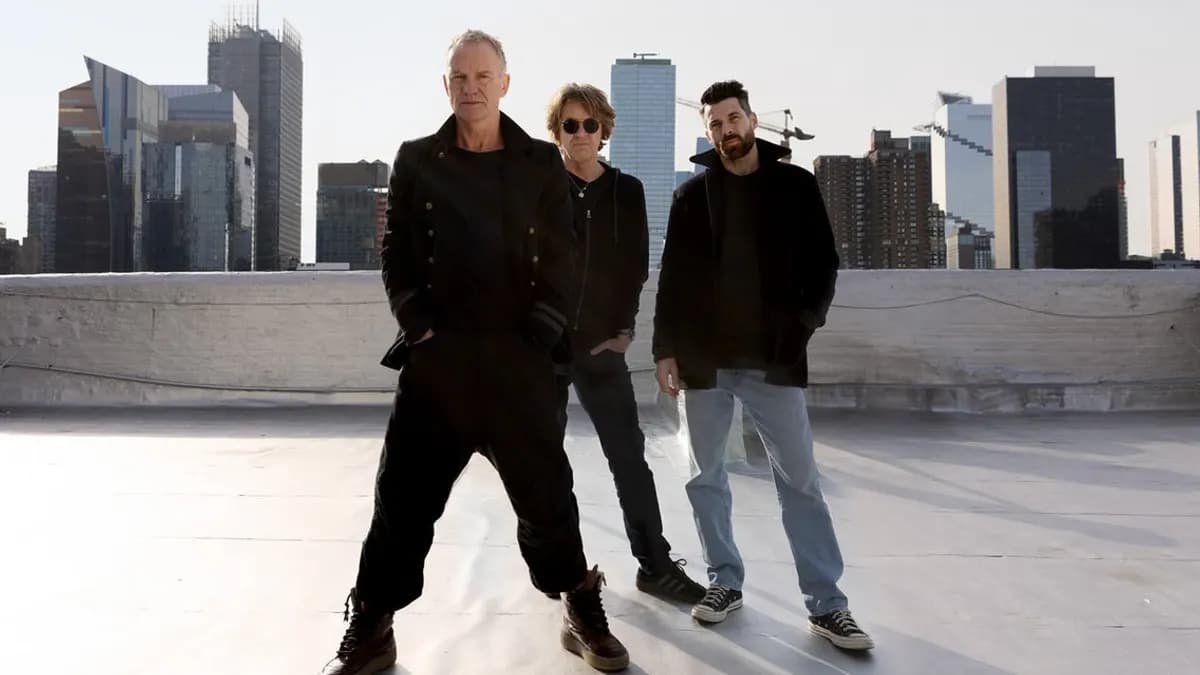
Sting, the British pop rock act, currently has 27 confirmed live dates across 13 cities — the most recent routing points at Queen Elizabeth Theatre - Vancouver in Vancouver, and merch tables, currency, and city-exclusive prints change from stop to stop on a pop rock tour of this scale.
Official Sting merch prices vary by venue and currency, but most arena tours follow a familiar range: shirts around $40-$55 USD, hoodies around $80-$110, hats around $35-$50, posters around $25-$45, and limited city-specific items above that. If the next show is at Queen Elizabeth Theatre - Vancouver, expect card-only checkout at most stands and longer lines after the opener finishes.
Buy inside the venue or through Sting's official store. Street vendors outside the arena often sell unlicensed shirts with low-quality prints, misspelled dates, or old tour art. Official merch usually has cleaner print registration, proper neck tags, and pricing posted on the booth signage.
Gordon Matthew Thomas Sumner was born October 2, 1951, in Wallsend, a shipbuilding town on the north bank of the Tyne in north-east England, the eldest of four children of a milkman and a hairdresser. He grew up in the shadow of the Swan Hunter shipyards — the river and the yards are the explicit subject matter of the 2014 musical The Last Ship — and attended St Cuthbert's Grammar School. After Newcastle University and a stint as a primary-school teacher in Cramlington he played bass in a Newcastle jazz fusion outfit called Last Exit through the mid-1970s; bandmate Gordon Solomon nicknamed him 'Sting' after a black-and-yellow-striped jumper he wore on stage. He moved to London in early 1977 and joined drummer Stewart Copeland and guitarist Henry Padovani in a punk-aligned trio that became the Police; Padovani was replaced by Andy Summers a few months in and the classic three-piece lineup was settled by August. Outlandos d'Amour in November 1978 produced Roxanne, Reggatta de Blanc in autumn 1979 added Message in a Bottle and Walking on the Moon, Zenyatta Mondatta the following year produced Don't Stand So Close to Me, Ghost in the Machine in 1981 added Every Little Thing She Does Is Magic and Spirits in the Material World, and Synchronicity in 1983 — Every Breath You Take, King of Pain, Wrapped Around Your Finger — was the band's commercial and creative peak. Each of the five Police albums charted at number one in the UK and the band's worldwide sales passed seventy-five million by the end of the decade. Personal and creative tensions inside the trio pushed the band toward an extended hiatus that became a de facto break-up after Synchronicity. The solo career launched in June 1985 with The Dream of the Blue Turtles, made with a jazz-fusion band including Branford Marsalis, Kenny Kirkland, Darryl Jones, and Omar Hakim; the album produced If You Love Somebody Set Them Free, Fortress Around Your Heart, and Russians, signalling the deliberate pivot away from rock idiom that has defined Sting's solo output ever since. Nothing Like the Sun in 1987 — written largely during his mother's terminal illness — added Englishman in New York, Be Still My Beating Heart, and We'll Be Together. The Soul Cages in 1991 was the explicit Wallsend record. Ten Summoner's Tales in 1993 produced Fields of Gold, Shape of My Heart (the song over the credits of Léon: The Professional), Seven Days, and If I Ever Lose My Faith in You, and won the Grammy for Best Pop Album. Mercury Falling in 1996 added I'm So Happy I Can't Stop Crying. Brand New Day in 1999 produced Desert Rose, the Cheb Mami collaboration that became Sting's biggest single of the post-Police era, and Sacred Love in 2003 added the Mary J. Blige duet Whenever I Say Your Name. The 2007-2008 Police reunion tour grossed more than US$360 million across 151 shows. Since the 2008 wrap Sting has continued solo: If on a Winter's Night... in 2009 explored winter folk and lute song, Symphonicities in 2010 reimagined the catalogue with orchestral arrangements, The Last Ship in 2013 became the Broadway musical of the same name, 57th & 9th in 2016 was the explicit return to rock idiom, 44/876 in 2018 was the reggae-infused collaboration album with Shaggy, My Songs in 2019 reworked the catalogue for the My Songs Tour, and The Bridge in 2021 was the pandemic-era song-cycle record. Sting has been married to actress and producer Trudie Styler since 1992 and the couple have four children together; he has two further children from his first marriage to actress Frances Tomelty. They split their time between London, the Lake House estate in Wiltshire, and the Il Palagio estate in Tuscany. He has been a UNICEF goodwill ambassador since the late 1980s and is a founding board member of the Rainforest Foundation, founded in 1989 with Trudie Styler after a 1987 trip to the Brazilian Amazon.