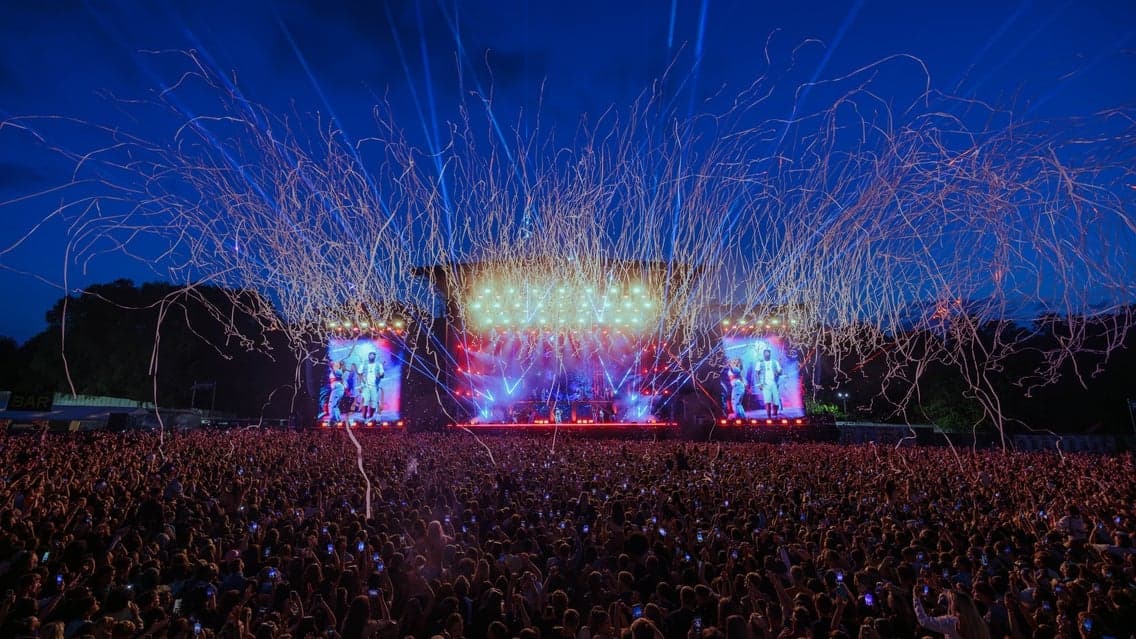
From Platt Fields warm-up to a Manchester institution
Parklife began in 2010 as a one-day event in Platt Fields Park in Fallowfield, run by Sacha Lord and Sam Kandel as a daytime extension of the Warehouse Project — the rolling Manchester club series Lord had been promoting since 2006. The first edition pulled in a respectable but modest crowd built largely on student word of mouth and the Warehouse Project's existing audience, and was conceived as a way of taking the WHP booking ethos into daylight. House, techno, drum and bass, garage and grime all featured on a bill that was deliberately broader than the club programme but recognisably descended from it.
The move to Heaton Park, in 2013, was the moment Parklife graduated from a city festival to a national one. Heaton Park is the largest municipal park in Greater Manchester, a six-hundred-acre estate in the north of the city with the scale to host multiple stages, a campsite-equivalent shuttle operation and a crowd that quickly grew towards capacity. Within two years the festival was operating across two days. Within five it was selling eighty thousand tickets a day and being talked about in the same breath as Glastonbury and Reading as one of the largest weekenders in the country.
The booking policy has been the constant. Lord and Kandel have made a habit of pairing rave-scene headliners with mainstream pop and hip-hop names a year or two before those acts cross over to arena scale. Disclosure, Skepta, The 1975, Loyle Carner and Megan Thee Stallion all played the festival before headlining their own stadiums elsewhere. The bill leans hard on electronic music and rap, with curated stages handed over to Hospitality, Defected, Metropolis and various Warehouse Project nights — a structure that gives the festival the texture of a one-weekend club crawl rather than the linear main-stage format of older British events.
The wider Manchester context matters. Parklife sits inside an ecosystem that includes the Warehouse Project's winter residency, the city's long-running indie scene, the rebuilt Co-op Live arena and a network of independent venues running from the Northern Quarter out to Salford. Lord's appointment as the city-region's Night Time Economy Adviser made that connection formal. The festival is by now part of how Manchester sells itself — as a city where you can spend a June weekend in a park watching the best electronic and hip-hop bookers in the country argue out the year's most important sets.
When does Parklife take place?▼
Parklife is staged in early to mid-June each year across a Saturday and Sunday at Heaton Park in north Manchester. Gates typically open in the late morning and the festival runs through to a hard park curfew at around eleven in the evening, after which the action moves to official afterparties at affiliated venues across the city. The June scheduling places Parklife near the start of the British festival season, and it is usually the first weekender of the summer to land a fully stadium-scale lineup.
Where is the festival held?▼
Parklife takes place in Heaton Park, a six-hundred-acre municipal park in the north of Manchester. The park sits just inside the M60 ring road and is the same site that hosts the Oasis 2025 reunion homecoming dates and other large outdoor concerts across the summer. Heaton Park is owned by Manchester City Council and is the largest park in Greater Manchester, with the scale to absorb the multi-stage festival footprint without compromising sightlines or sound.
How do I buy tickets?▼
Tickets are sold through the festival's official ticketing partners as a two-day weekend pass, with separate single-day options released closer to the event. VIP and hospitality upgrades are available across both days, offering raised viewing platforms, dedicated bars and faster entry. Tickets typically go on sale during the previous autumn through a tiered structure — pre-sale registrations, early-bird tiers and general sale — with prices rising as each tier sells through. The festival has sold out in advance for several consecutive years, so committing early is the safer plan.
Who has headlined Parklife in the past?▼
Parklife has built one of the strongest contemporary booking sheets in the UK. Recent headliners have included Doja Cat, 21 Savage, Megan Thee Stallion, Skepta, Aphex Twin, The 1975, Disclosure and FKA twigs, with the lineup skewing heavily towards electronic music, hip-hop and contemporary pop. The curated stages run by partners like Hospitality, Defected and the Warehouse Project add depth across drum and bass, house and techno, giving the festival a multi-stage character that rewards working a stage clash rather than locking in to a single headliner.
Is there camping at Parklife?▼
There is no official on-site camping inside Heaton Park itself. The festival is structured around the assumption that audiences will stay in Manchester or the surrounding boroughs and travel in each day on tram or shuttle. Independent campsite and glamping operators do run pop-up sites on the outskirts of Greater Manchester across the festival weekend with shuttle services to the park, but these are third-party operations rather than part of the official site. Booking accommodation in the city centre is the standard approach.
What is the best way to get to Heaton Park?▼
Manchester's Metrolink tram is the most reliable route. Heaton Park station sits on the Bury line, with services running every few minutes from Manchester Victoria and Piccadilly to dedicated festival drop-off points. From the city centre the journey takes around thirty minutes including the walk through the park. Official festival shuttle buses run from designated city-centre pick-up points across both days. Driving to the site is actively discouraged, with limited parking and significant road closures around the park during peak arrival windows.
What is the capacity of Parklife?▼
Parklife operates at around eighty thousand people per day, making it one of the largest two-day weekenders in the UK and the biggest urban-park festival in the country. That capacity is split across a main stage, several large tented stages and a series of smaller curated stages run by partner promoters and labels. The two-day structure means total weekend footfall sits closer to a hundred and sixty thousand, with substantial returning audience between Saturday and Sunday.
What is the connection to the Warehouse Project?▼
Parklife and the Warehouse Project share founders and a booking philosophy. Sacha Lord, who runs WHP, co-founded Parklife with Sam Kandel in 2010 as a daylight extension of the club series. The two events feed into each other — Parklife often previews artists who go on to headline Warehouse Project nights through the winter, and WHP runs official Parklife afterparties across the festival weekend in central Manchester. The relationship has shaped the festival's identity as much as the lineup itself.