Pompeii vs Herculaneum — Which Roman City Should You Visit?
Both were buried by Vesuvius in AD 79, but they're very different visits: Pompeii is vast and famous, Herculaneum is small, far better preserved, and far quieter. Here's the side-by-side.

Available
11 options
Avg. rating
4.6 - 9,715 reviews
From
$39 EUR
Cancellation
Free up to 24h before
Pompeii vs Herculaneum: what to know before booking
Both were buried by Vesuvius in AD 79, but they're very different visits: Pompeii is vast and famous, Herculaneum is small, far better preserved, and far quieter. Here's the side-by-side.
- Availability
- 11 ticket options compared
- Starting price
- Tickets currently start around $39 EUR before checkout fees.
- Rating signal
- Compared options average 4.6 stars across 9,715 traveler reviews.
- Location
- Pompeii at Pompei Scavi; Herculaneum at Ercolano, both southeast of Naples on the Vesuvius side of the bay
- Best time
- Early morning, especially at Pompeii, to beat the heat and tour-group rush
- Ticket note
- Date-specific entry; combined tours have strict morning meeting times
Pompeii vs Herculaneum in Naples
Sorted by review signal, price, and availability. Tap any card to book through the provider checkout.



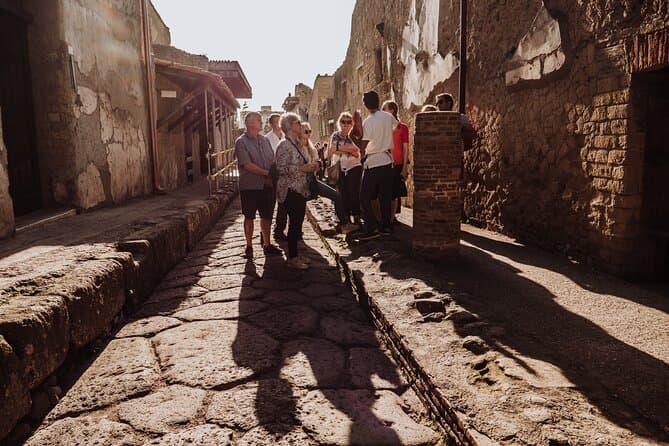

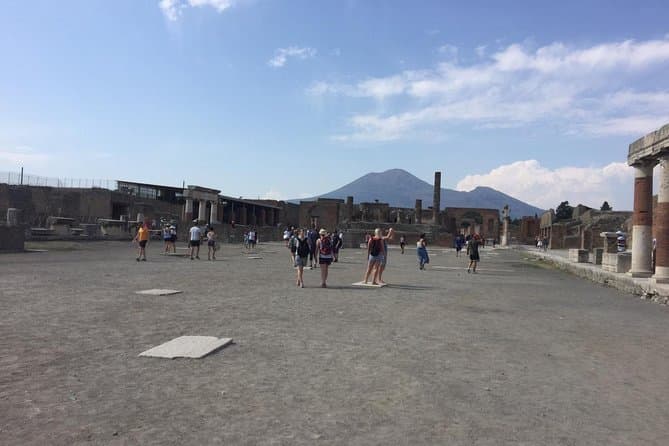
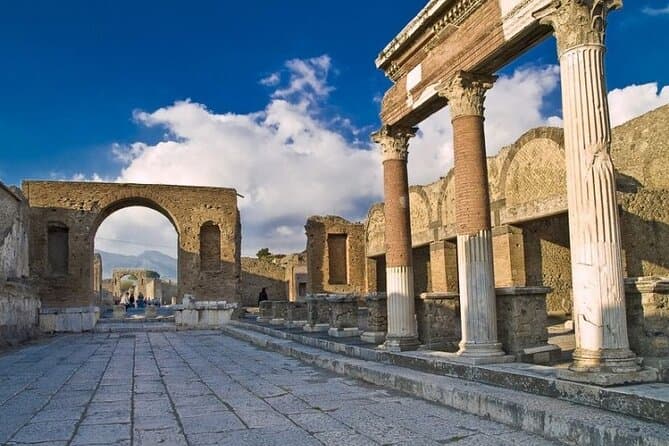
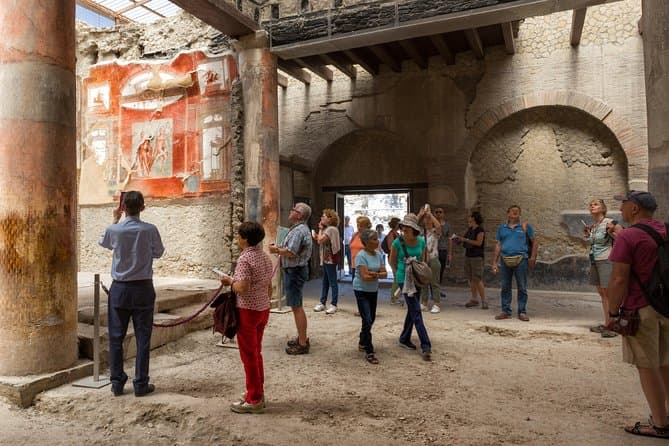
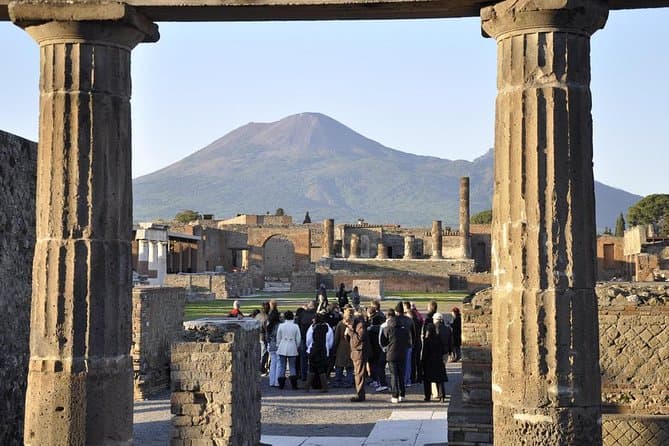
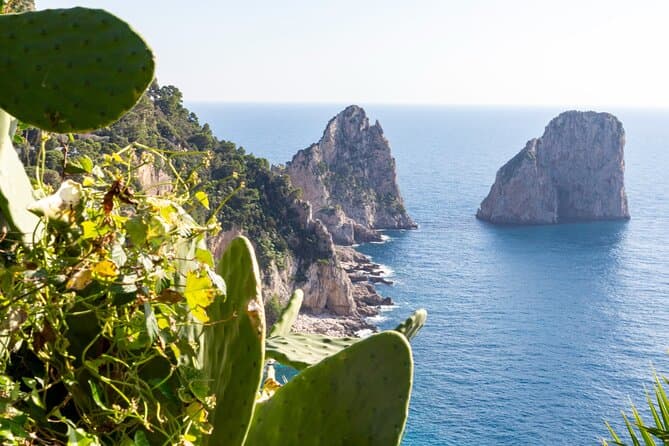
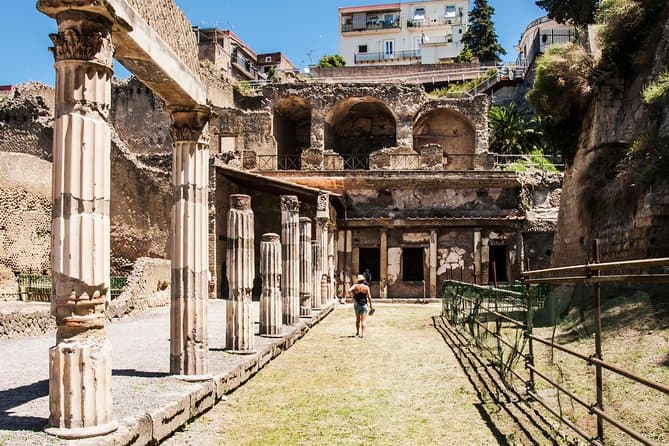
Side-by-side: Pompeii vs Herculaneum
If it's your first trip and you want the famous, monumental ruin, choose Pompeii — it's the bucket-list site, but go with a guide and start early to beat the heat and crowds. Choose Herculaneum if you'd rather a calmer, deeper visit: it's smaller, dramatically better preserved (you'll see intact upper floors and wooden details Pompeii has lost), and far less crowded. With a full day, do both on a combined tour — Herculaneum in the morning, Pompeii after — since they're a short Circumvesuviana ride apart and tell two halves of the same AD 79 story.
Everything you should know before you book
Pompeii and Herculaneum were both buried by the AD 79 eruption of Vesuvius, but they were preserved in opposite ways. Pompeii was smothered in ash and lapilli, leaving a vast city you can walk for hours — the forum, the amphitheatre, the brothel, and the haunting plaster casts of victims. Herculaneum was sealed under a deep flow of volcanic mud that hardened around the town, which carbonised and protected wooden beams, upper storeys, and even furniture you simply don't see at Pompeii.
The real decision is scale versus preservation. Pompeii is the famous, sprawling, must-photograph ruin, but it's exhausting, sun-blasted, and crowded. Herculaneum is compact, quieter, and astonishingly intact, so you leave with a clearer picture of how Romans actually lived. The table below breaks down size, crowds, time, price, and access so you can choose fast — or plan to see both in one day.
Frequently asked questions
Is Herculaneum better than Pompeii?
Herculaneum is far better preserved — you'll see intact upper floors, wooden beams, and carbonised furniture that Pompeii has lost. But Pompeii is bigger and more iconic. For preservation and a calmer visit, Herculaneum wins; for scale and the famous sights, Pompeii does.
Can I visit both Pompeii and Herculaneum in one day?
Yes — they're a short Circumvesuviana ride apart, and combined day trips visit Herculaneum in the morning and Pompeii after (often with a Vesuvius crater hike too). It's a long but very doable day.
Which is better with kids?
Herculaneum — it's smaller, shadier, quicker to walk, and less overwhelming than Pompeii's vast, sun-exposed expanse.