Mt Fuji vs Nikko — Which Tokyo Day Trip Is Right for You?
Tokyo's two classic day trips pull in opposite directions: Mt Fuji and Hakone for the iconic mountain, lakes, and hot springs to the west, or Nikko for UNESCO-listed shrines and waterfalls in the mountains to the north. Here's the side-by-side.
Available
8 options
Avg. rating
4.7 - 5,012 reviews
From
$6923 JPY
Cancellation
Free up to 24h before
Mt Fuji vs Nikko: what to know before booking
Tokyo's two classic day trips pull in opposite directions: Mt Fuji and Hakone for the iconic mountain, lakes, and hot springs to the west, or Nikko for UNESCO-listed shrines and waterfalls in the mountains to the north. Here's the side-by-side.
- Availability
- 8 ticket options compared
- Starting price
- Tickets currently start around $6923 JPY before checkout fees.
- Rating signal
- Compared options average 4.7 stars across 5,012 traveler reviews.
- Location
- Mt Fuji & Hakone west of Tokyo (Yamanashi & Kanagawa); Nikko north of Tokyo (Tochigi)
- Best time
- Fuji: clear autumn and winter mornings. Nikko: October–November for peak foliage
- Ticket note
- Date-specific; meeting times are strict, arrive 15 minutes early
Mt Fuji vs Nikko in Tokyo
Sorted by review signal, price, and availability. Tap any card to book through the provider checkout.



Side-by-side: Mt Fuji vs Nikko
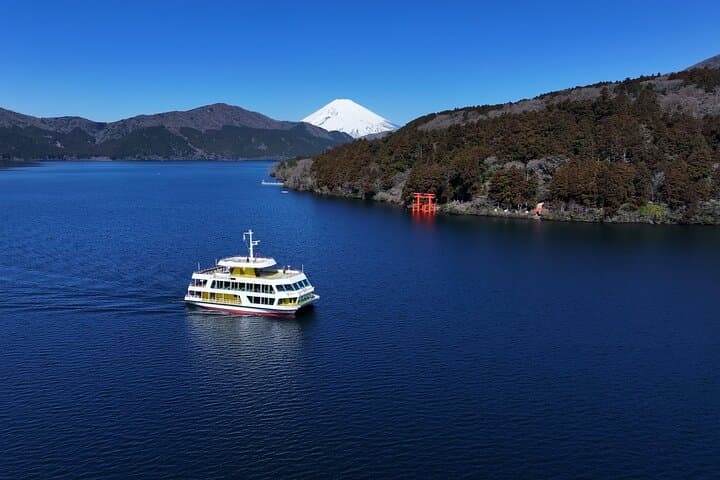
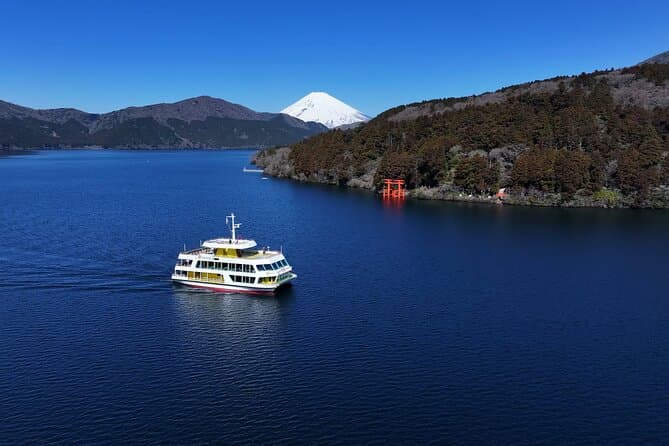
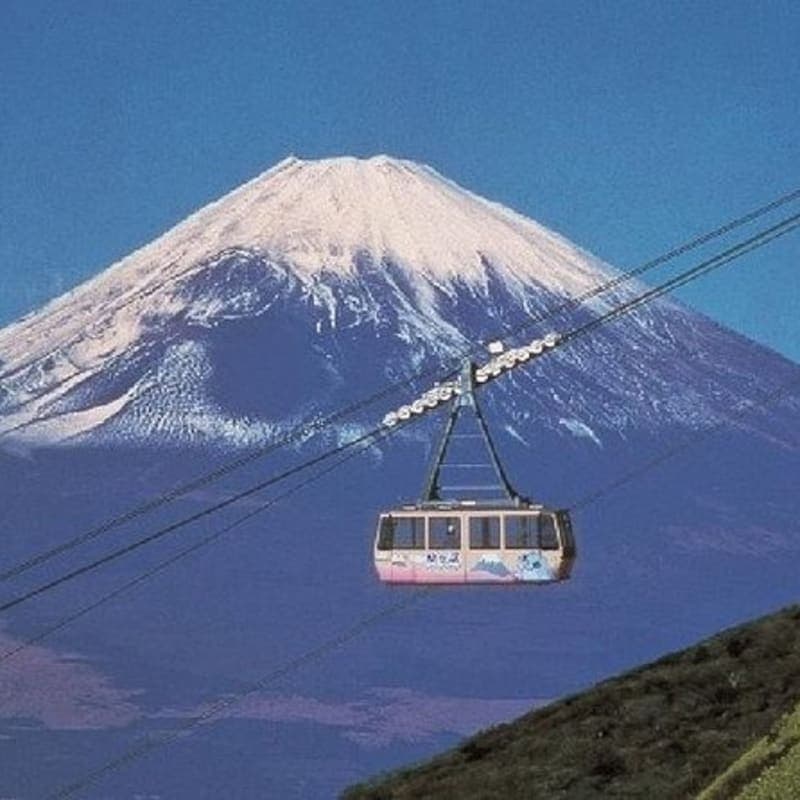
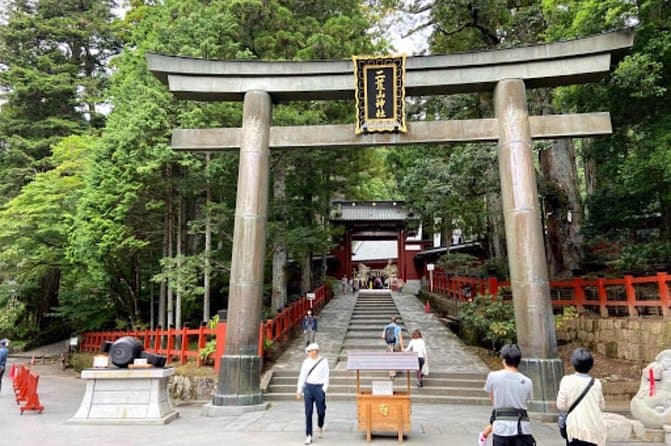
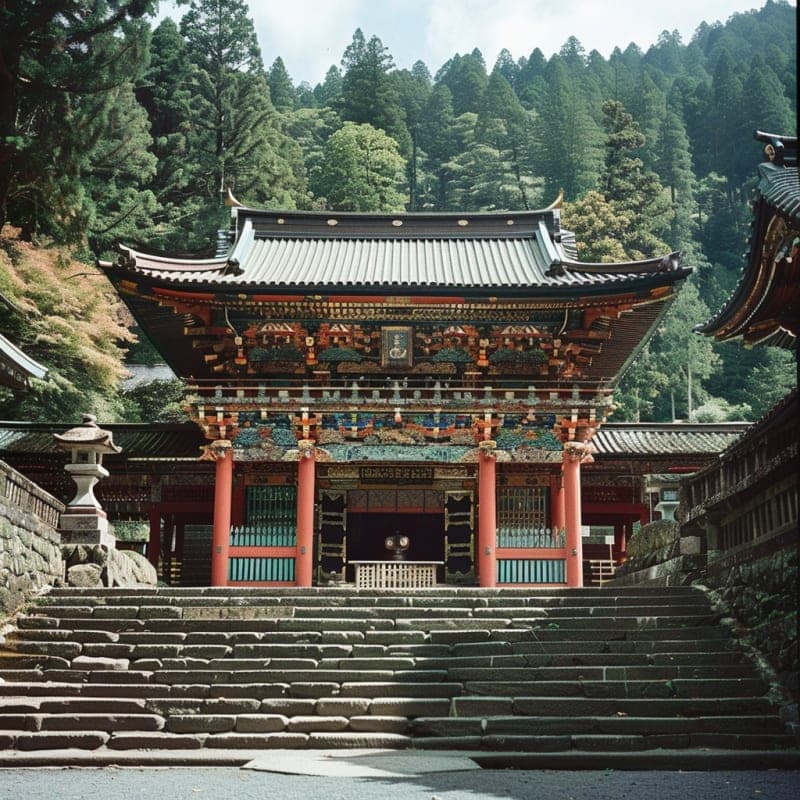
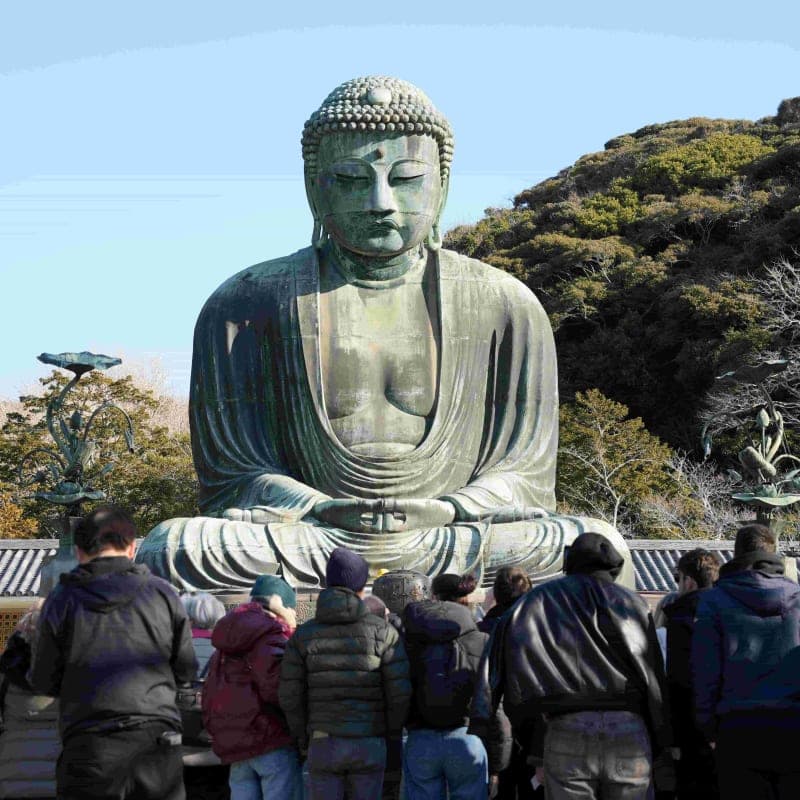
Choose Mt Fuji and Hakone if seeing the iconic mountain is on your bucket list and the forecast is clear — the Five Lakes, Lake Ashi cruise, and hot-spring views are unforgettable, but Fuji hides behind cloud often, so a poor forecast can dim the whole day. Choose Nikko if you want a reliable payoff in any weather: its lavishly carved UNESCO Toshogu Shrine, the 97-metre Kegon Waterfall, and Lake Chuzenji deliver regardless of cloud, and the autumn foliage is among Japan's best. First-timers chasing the Fuji photo should book Fuji on a clear-day forecast; if the sky looks grey, Nikko is the safer, equally rewarding choice.
Everything you should know before you book
Mt Fuji and Nikko are Tokyo's two classic full-day escapes, and most visitors with a spare day end up choosing between them. Mt Fuji and Hakone lie about two hours west, pairing the iconic volcano's Five Lakes and viewpoints with Hakone's ropeway, hot springs, and the Lake Ashi cruise. Nikko sits about two hours north in the mountains of Tochigi, home to the UNESCO-listed Toshogu Shrine, the 97-metre Kegon Waterfall, and highland Lake Chuzenji.
The decision often comes down to the forecast. Fuji is the bucket-list draw, but it frequently hides behind cloud, so a grey day can mute the whole trip — whereas Nikko's shrines and waterfalls impress in any weather. The table below compares scenery, travel time, price, crowds, and best season so you can pick the right day trip for your dates and the sky.
Frequently asked questions
Mt Fuji or Nikko for a day trip from Tokyo?
Mt Fuji and Hakone for the iconic mountain, lakes, and hot springs; Nikko for UNESCO-listed shrines and waterfalls. Fuji is the classic first choice on a clear-day forecast, but Nikko is the safer pick if the sky looks grey.
Which is more weather-dependent?
Mt Fuji, by far — the mountain often hides behind cloud, so a poor forecast can spoil the views. Nikko's shrines, waterfalls, and lake show well in any weather, making it the more reliable day trip.
Can I do both Mt Fuji and Nikko from Tokyo?
Only on separate days — they lie in opposite directions (west and north), each a roughly two-hour journey each way, so each fills a full day. With two spare days you can do one of each.